
Pixels, Pastels, Pencils and Paint
Hand-coloring your Photographs in Karuizawa
with Kate Breakey and the Nobechi Creative Team
Dates: MAY 22 - 30, 2027
Maximum group size: 8
Early-bird price: $6,945 per person
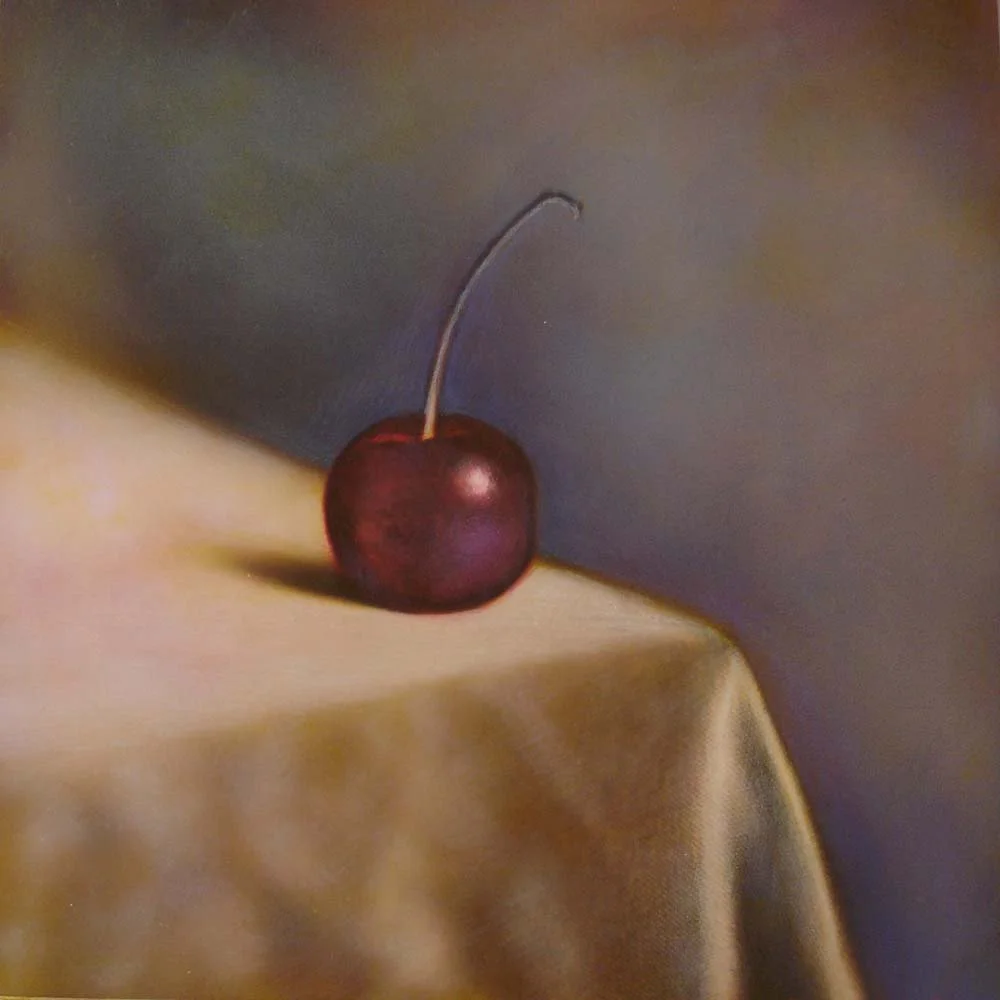
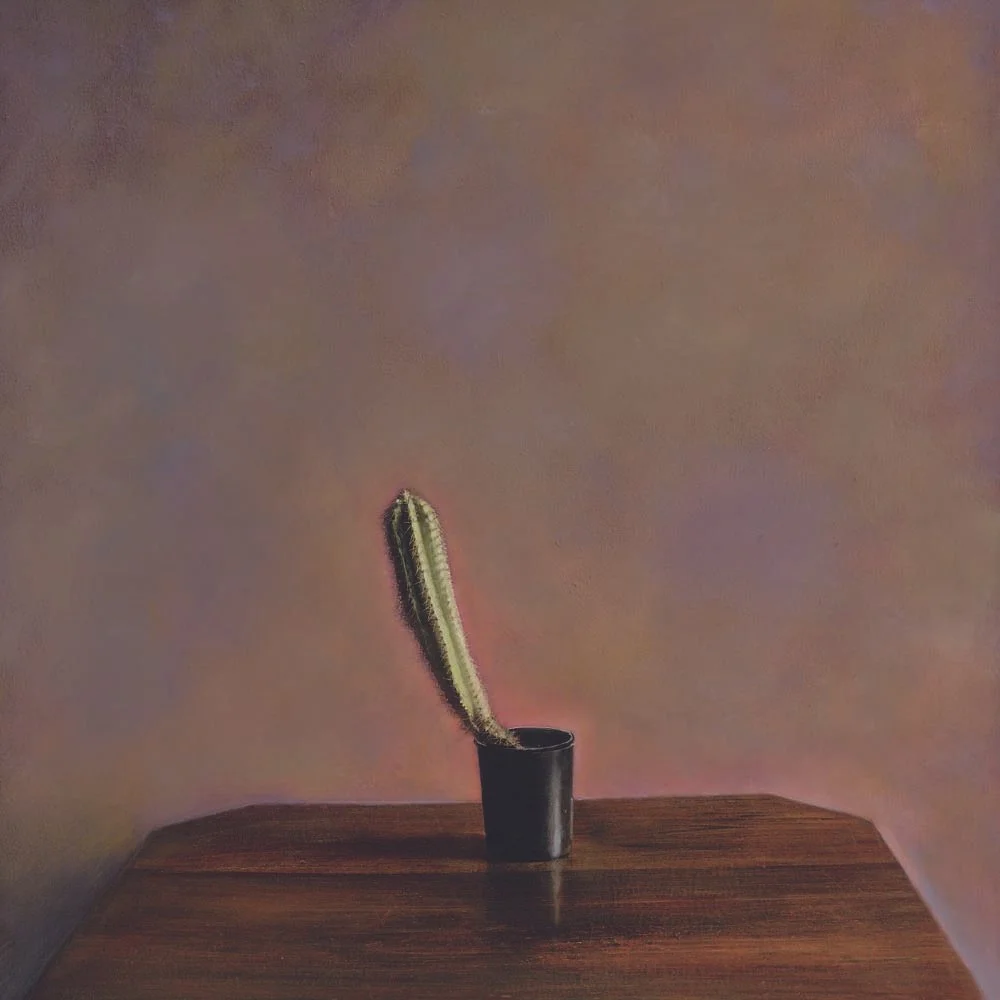
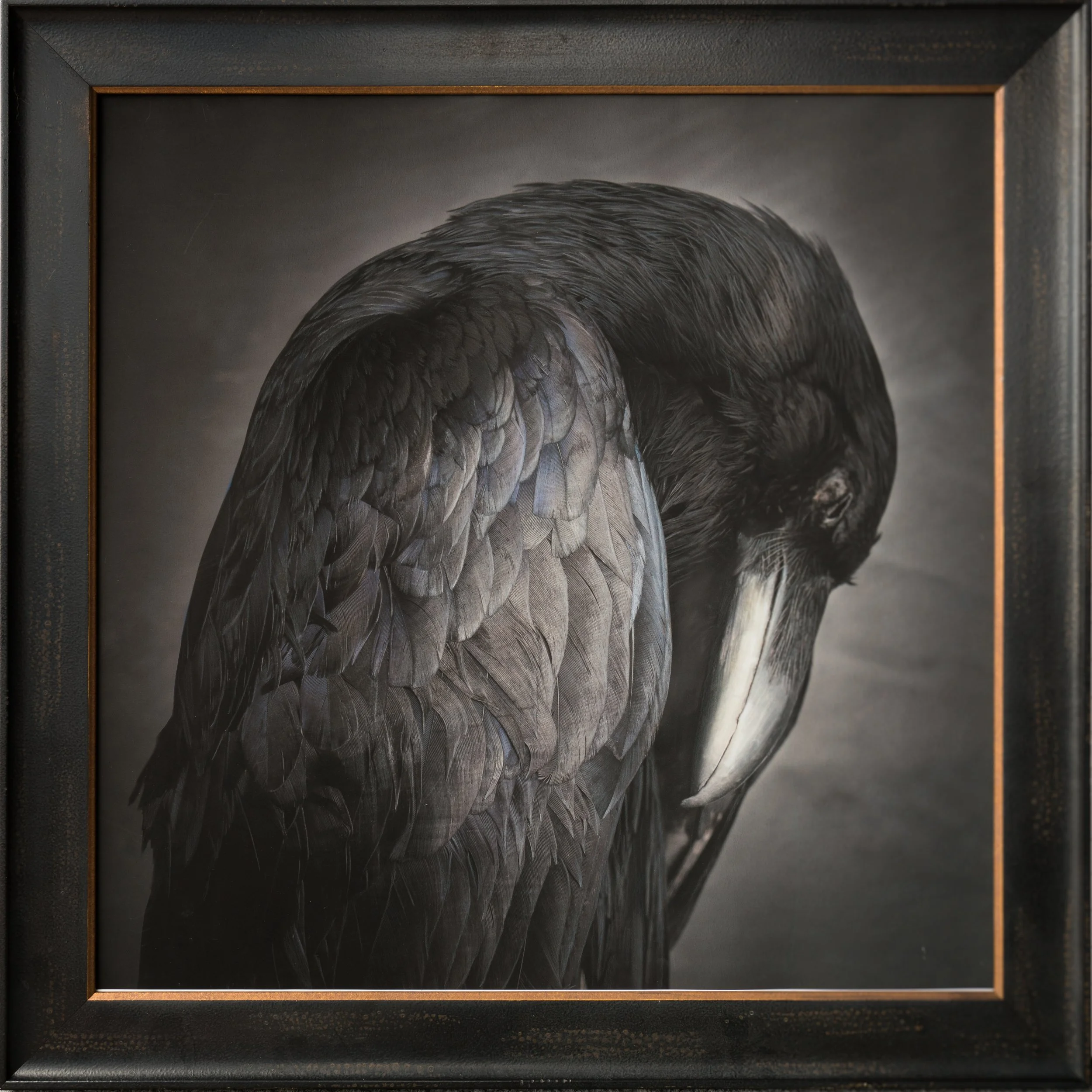
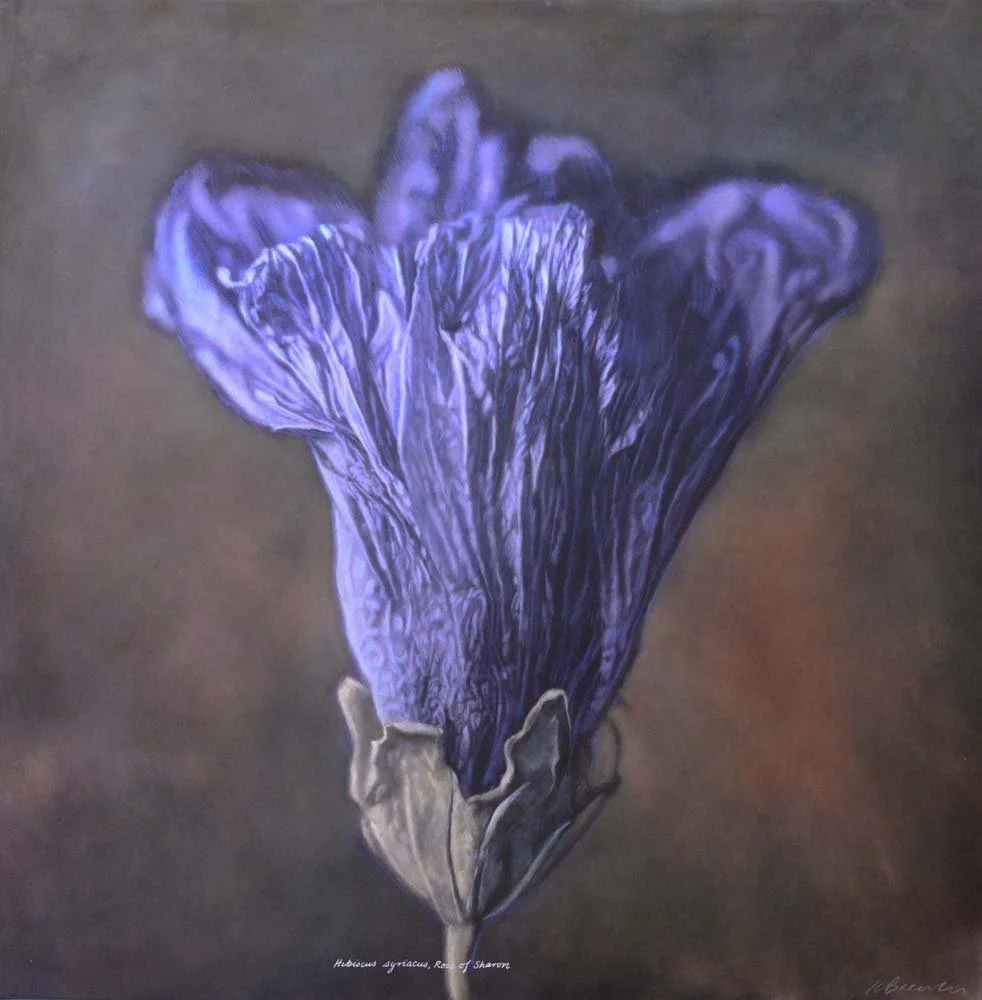
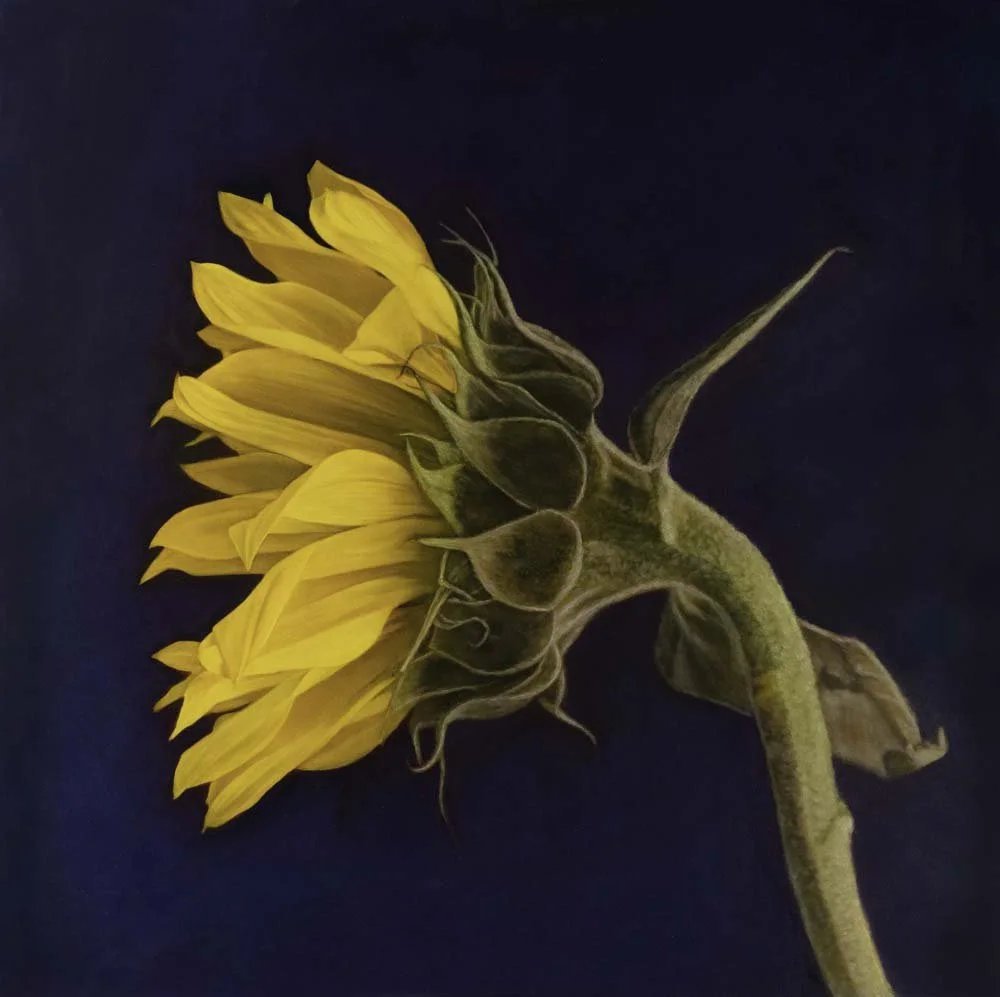
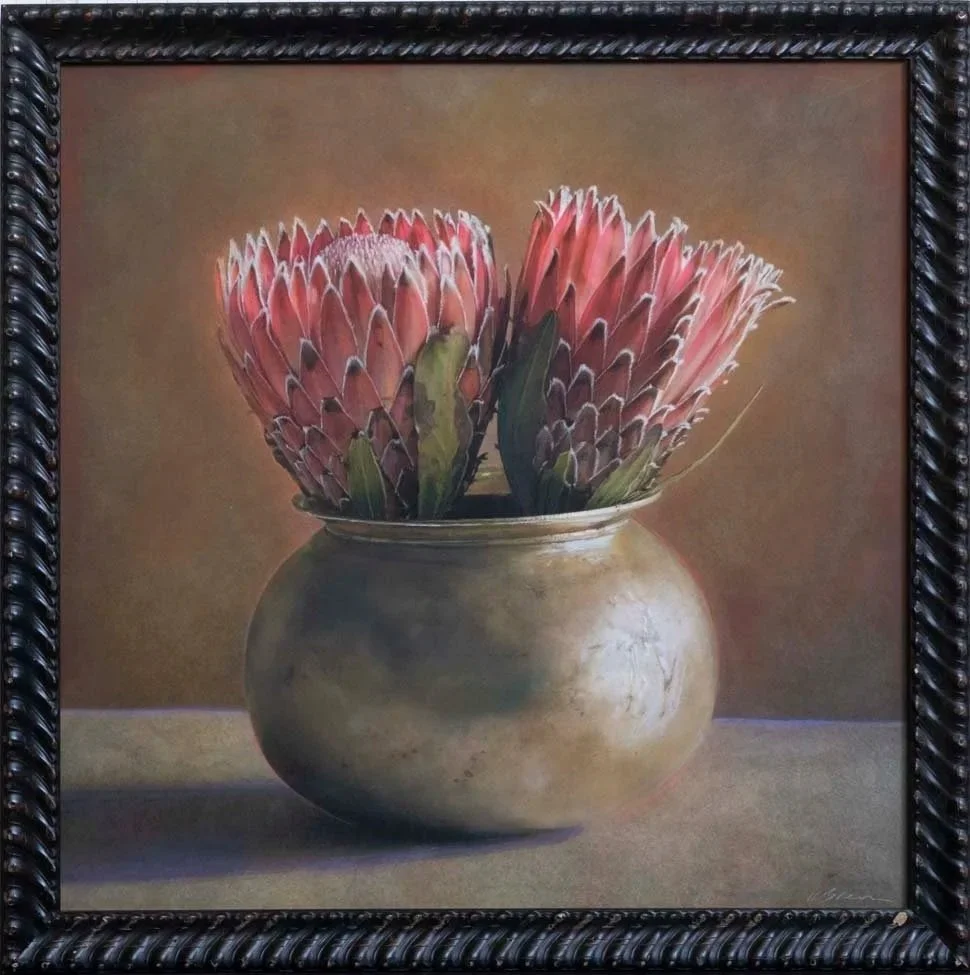
I am honored to be invited to teach a workshop for Nobechi Creative in Karuizawa in May 2027. I visited this region very briefly during my first-ever visit to Japan and spent an afternoon in its snow-bound winter glory. I’m very excited to return and see what is under the ice and snow because I know it’s going to be beautiful. I can’t wait to photograph in the forest, hike in the mountains, and eat Soba noodles.
- Kate Breakey
OVERVIEW
Over nine days in Tokyo and Karuizawa, you will make photographs and then take them further. With Kate Breakey, you will select and print your images on carefully chosen papers before beginning to work back into the prints by hand. Paint, pencil, pigment, ink and pastel become ways to extend the photograph into something more tactile and personal.
Hand-coloring is almost as old as photography itself. In the 19th century, color was added to black-and-white photographs to bring them closer to the appearance of the world they depicted. As color photography became widespread, hand-coloring took on a different role. It became a way of interpreting the photograph rather than simply reproducing reality, opening the image up to a more personal and expressive use of color.
As a traditional photographer, beginning in the late 1970’s, I printed black-and-white negatives on gelatin-silver photographic paper in the darkroom. I then hand-colored the prints with many layers of transparent oil and pencil. 35 years later, I reluctantly transitioned to digital, but found this whole new world extended the possibilities and was as wondrous and exciting as the magic of the darkroom - different magic.
In this workshop, you will be introduced to the many materials and techniques of hand-coloring, you will start with images digitally printed on a variety of surfaces, and learn how to prepare the paper surfaces using oil paints, pigments, pencils, inks, or pastels in combination. All materials, papers, and media will be supplied.
I hope to inspire you to experiment because the possibilities are limited only by your imagination. I guarantee it will be fun, and you will come away from this experience with new skills and ideas for your work.
-Kate
From photographing to finished hand-coloured prints
In Tokyo, you will have the opportunity to photograph ceramic tea cups and other objects as part of a tea ceremony workshop. In Karuizawa, several days will be devoted to photographing the surrounding landscape. Depending on the season and conditions, subjects may include forests, brooks and waterfalls, spring flowers, volcanic landscapes, lakes, highland scenery, and old railway structures.
Back at the Nobechi Creative Photography Center, you will work with the photographs you have made: selecting and preparing images, experimenting with different print surfaces, and printing on Japanese washi and other papers. You will then begin transforming those prints by hand, using the materials and techniques introduced by Kate.
For the workshop, Kate will personally select a range of washi papers in collaboration with the Awagami Factory, so you can explore how different papers interact with the photographic image and with the materials used to hand-color them.
Why this workshop may be for you
Make the photograph only the beginning. First, make photographs in beautiful Karuizawa, then select and print some of your favorites, then physically transform the print by hand.
Learn Kate Breakey’s own process. Kate has spent decades combining photography with painting and drawing, and will demonstrate the techniques and materials she uses within her own practice.
Experiment with materials in a workshop built for making prints. The second half of the experience takes place in the Nobechi Creative Photography Center, with dedicated editing, printing and hand-coloring spaces, professional printing facilities and materials supplied for the class.
with kate breakey
Karuizawa is a particularly fitting setting for Kate’s way of working. Her practice has long grown out of a fascination with the natural world, from birds and flowers to animals, plants and landscape. In late spring, Karuizawa offers an unusually varied field to photograph: forests and waterfalls, new growth and wildflowers, mountain landscapes and the volcanic terrain around Mt Asama.
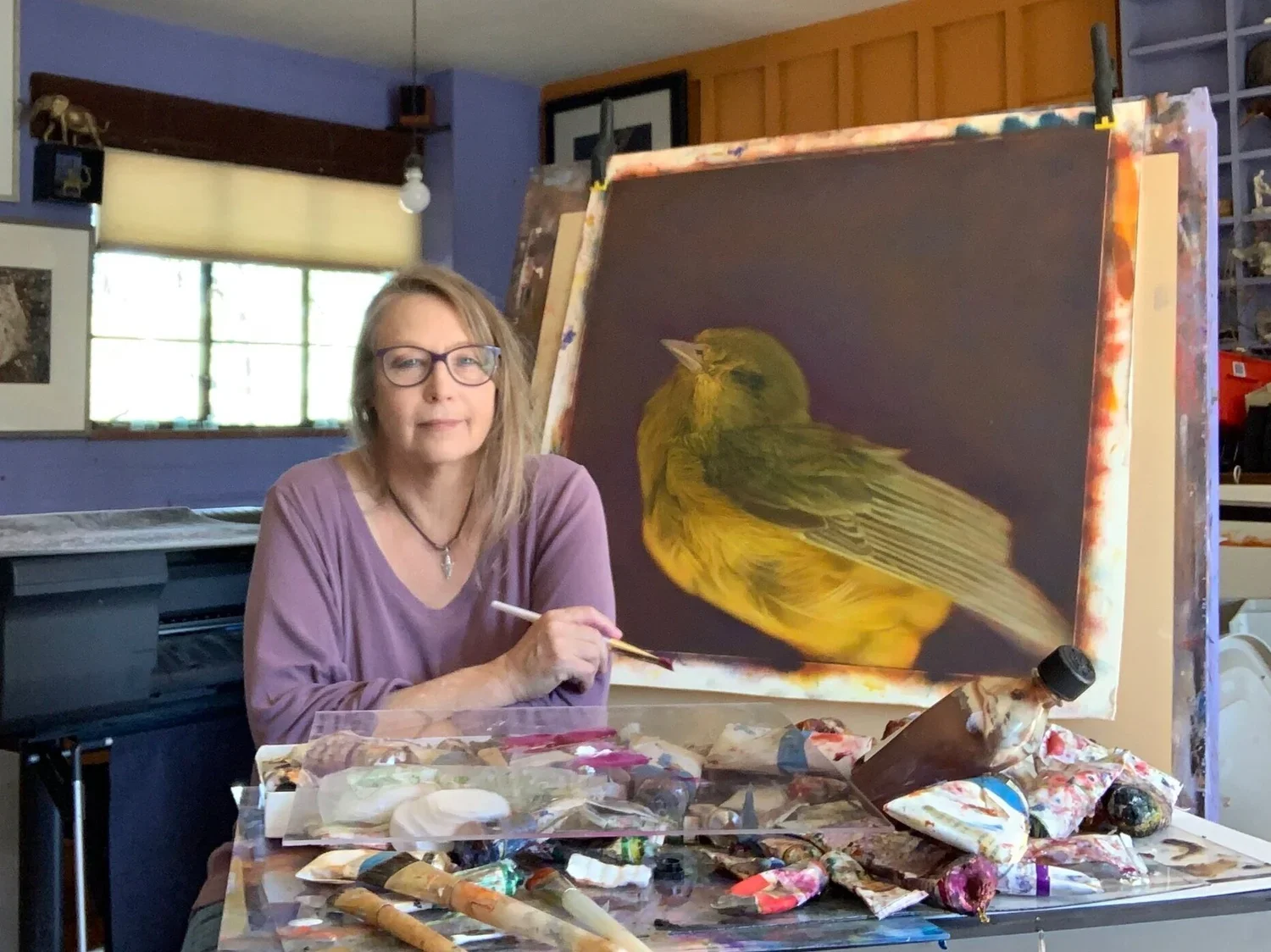
Kate Breakey in her studio
Kate first saw Karuizawa on her first visit to Japan, when the region was deep under winter snow. She returns now to photograph it in spring - and to use those photographs as the starting point for the hand-worked images at the heart of the workshop.
That movement from photograph to physical object sits at the centre of Kate’s practice. Drawing on her early training as a painter and printmaker, she works directly onto photographic surfaces with paint and pencil, as well as gilding, gold leafing and, at times, embroidery. Over more than three decades, she has developed a distinctive approach in which making the photograph is only the beginning.
Kate is internationally recognized for her richly hand-colored photographs. Her work has appeared in more than 150 exhibitions, is held in museum and private collections, and has been published in major monographs including Small Deaths and Painted Light.
Working with Kate gives you the chance to see that experience and judgement at close range. She will demonstrate how she approaches a print and talk through the decisions she makes as the image develops. As you begin working on your own pieces, the teaching becomes more conversational, with time to ask questions and receive feedback as your own approach develops.
“Kate was so generous with her knowledge, I really feel prepared to start trying her techniques myself.”
MAY 22–30, 2027
HAND-COLORING YOUR PHOTOS IN KARUIZAWA
A workshop rooted in Karuizawa, shaped by Nobechi Creative
Karuizawa is the region George Nobechi calls home, and that familiarity gives the workshop a different kind of access to the place - not simply a list of destinations, but a way into its landscape, people and everyday culture.
The photography days are shaped around the conditions and opportunities available. Some places may be planned in advance; others may make more sense on a particular morning or in particular conditions. That flexibility allows the workshop to respond to the weather, the light and what is happening locally, while opening up parts of Karuizawa that can be harder to find, recognize or experience in the same way when traveling independently.
That sense of access extends beyond the landscape itself. Encounters with people, restaurants, museums, and other places become part of a more connected experience of Karuizawa, shaped by local knowledge rather than by a fixed sightseeing itinerary.
Karuizawa in spring: landscape, hand coloring, and time to work
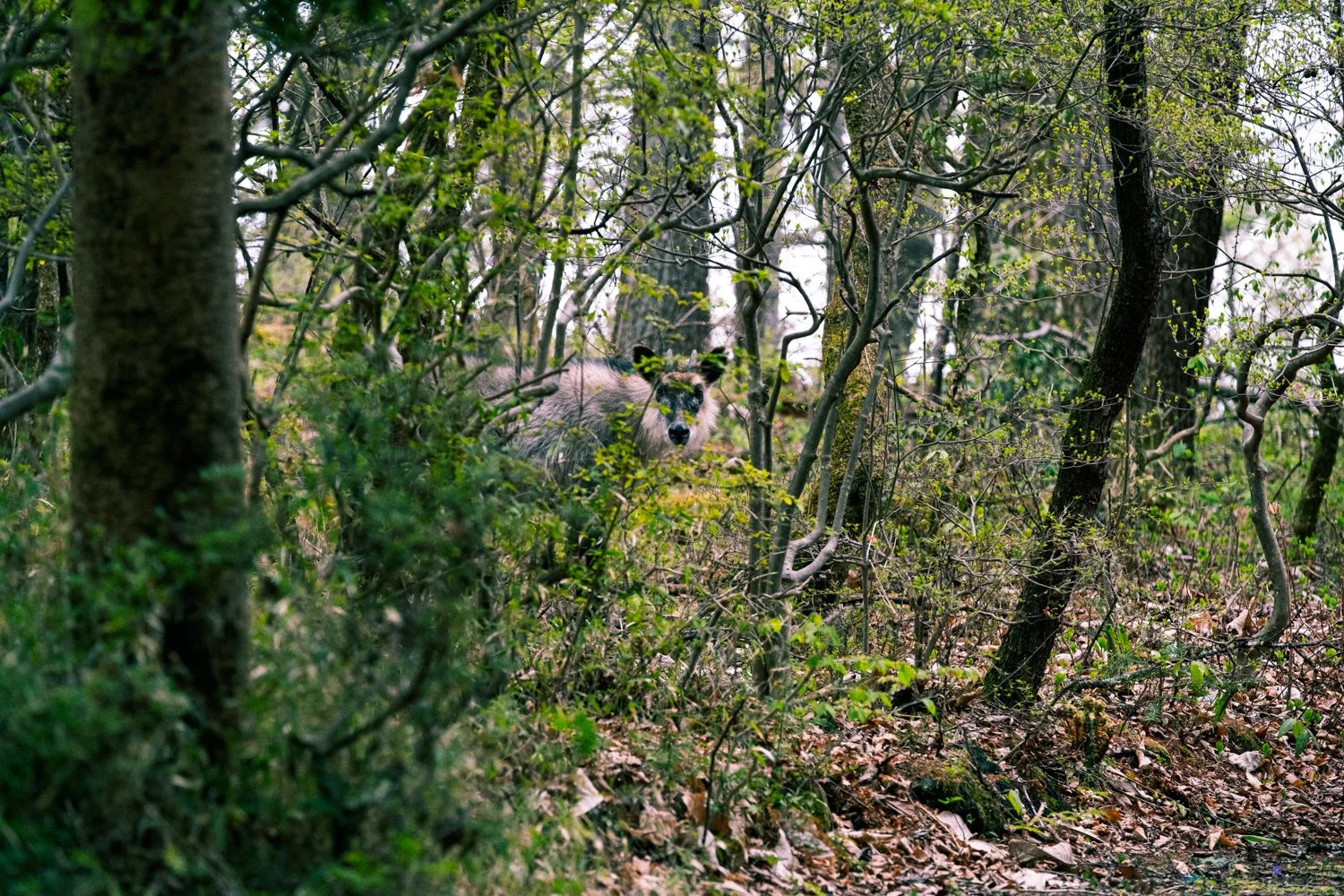
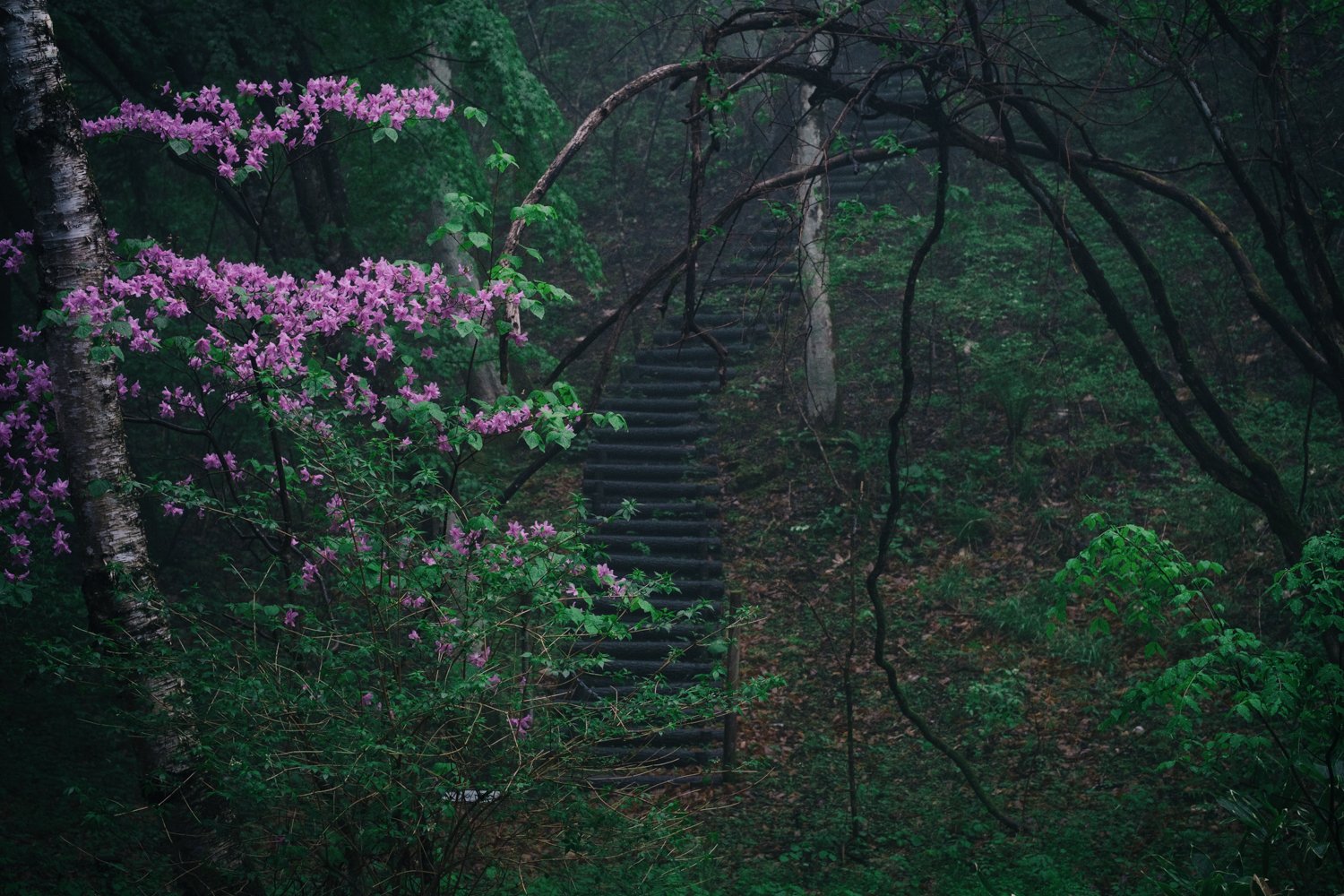
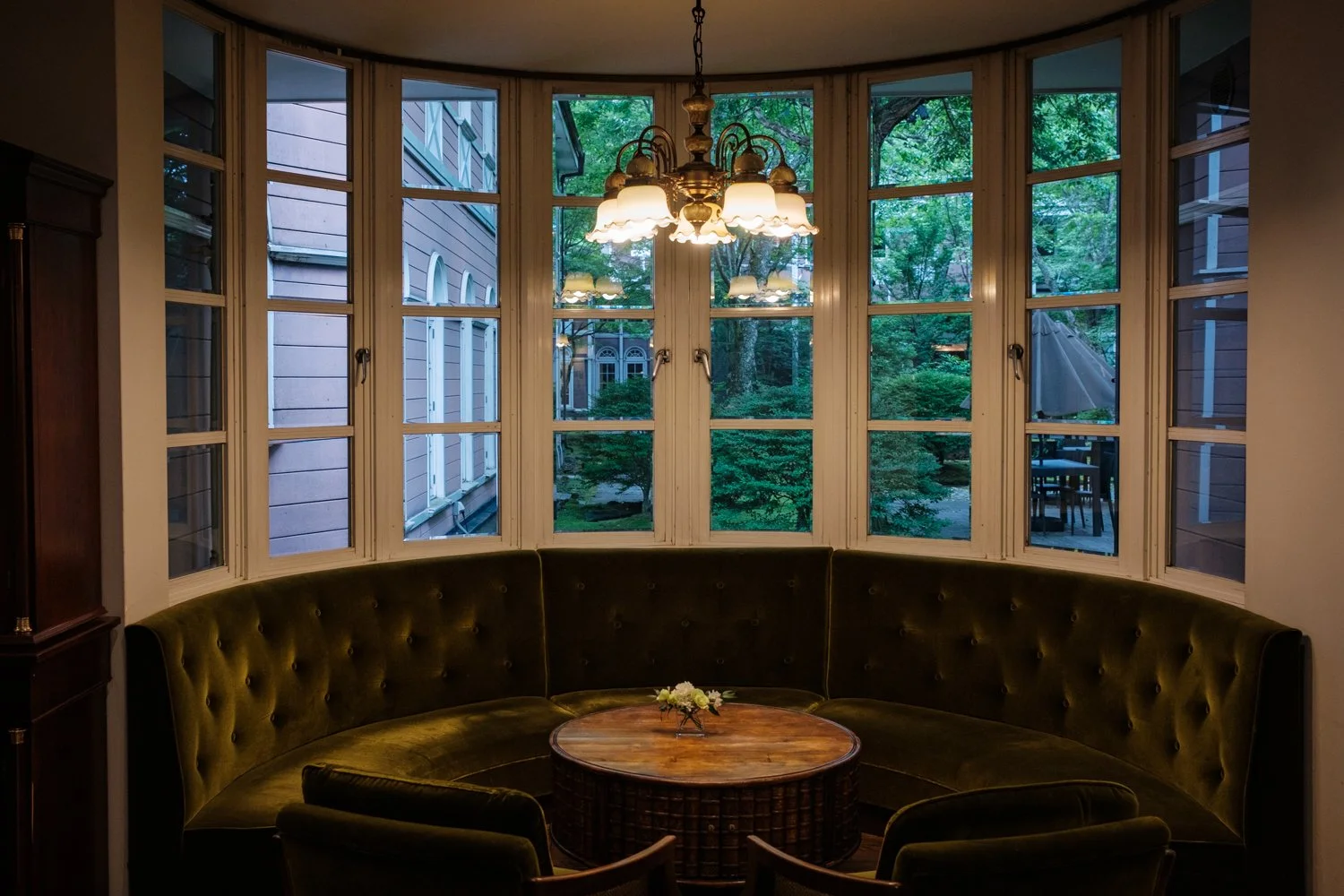
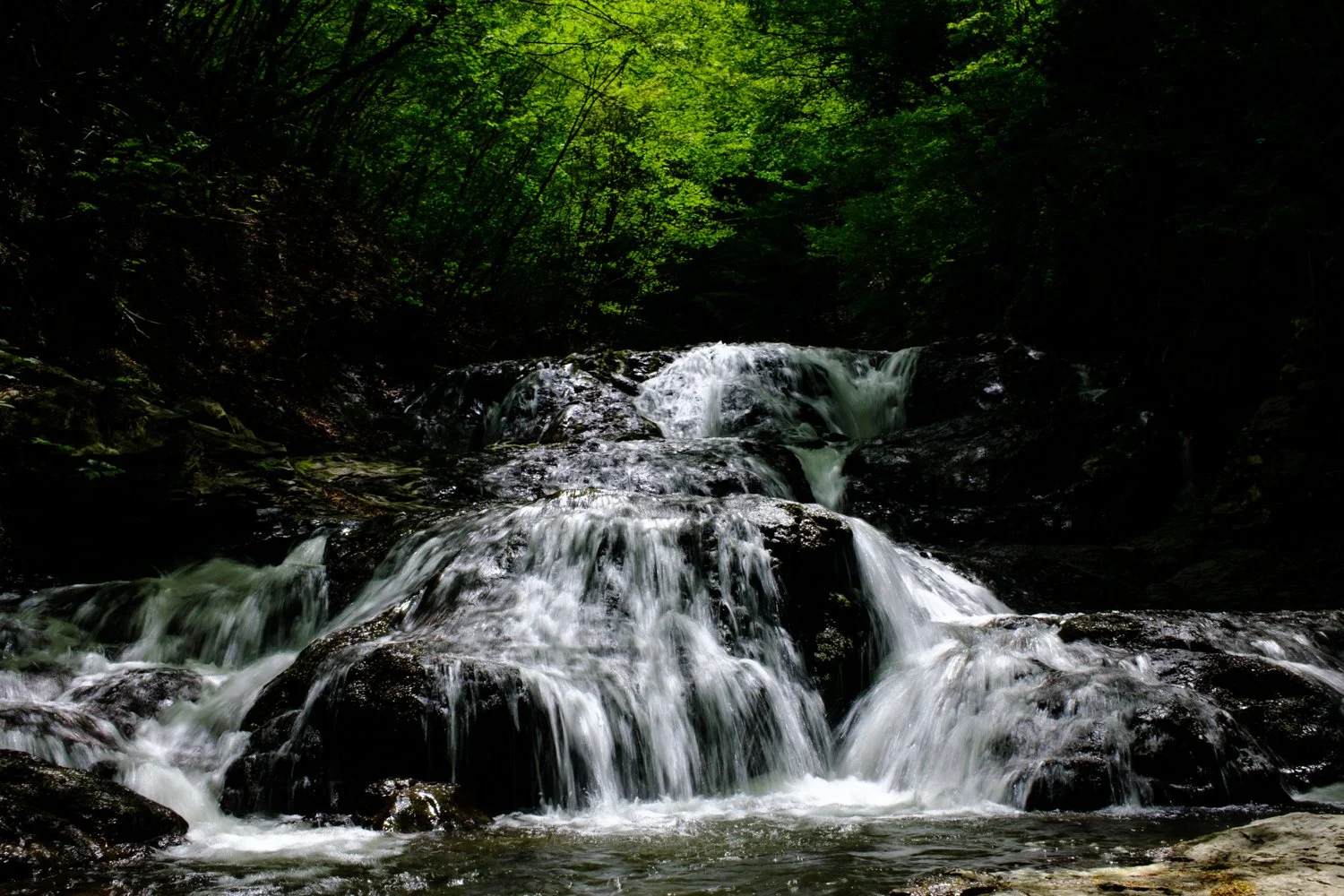
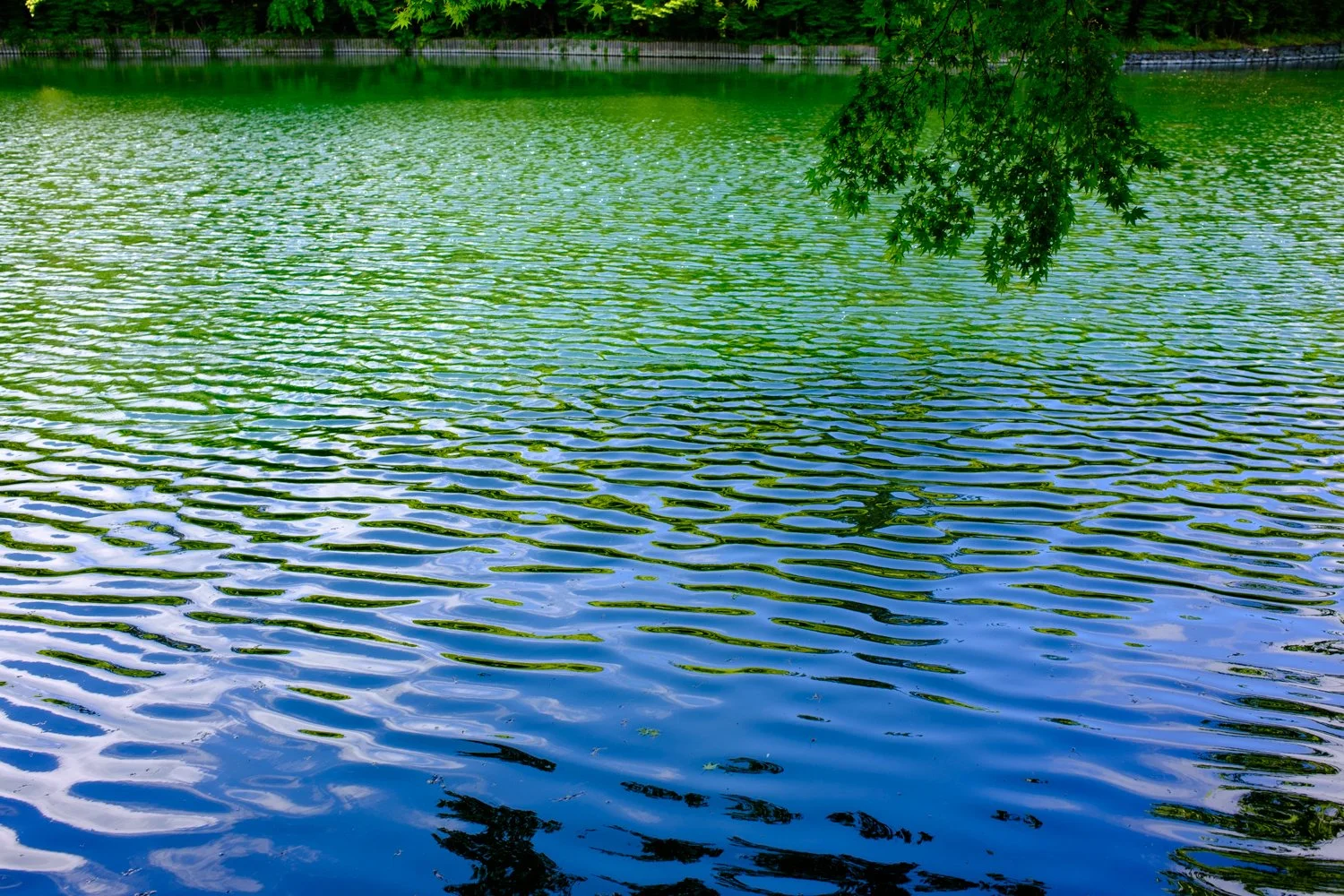
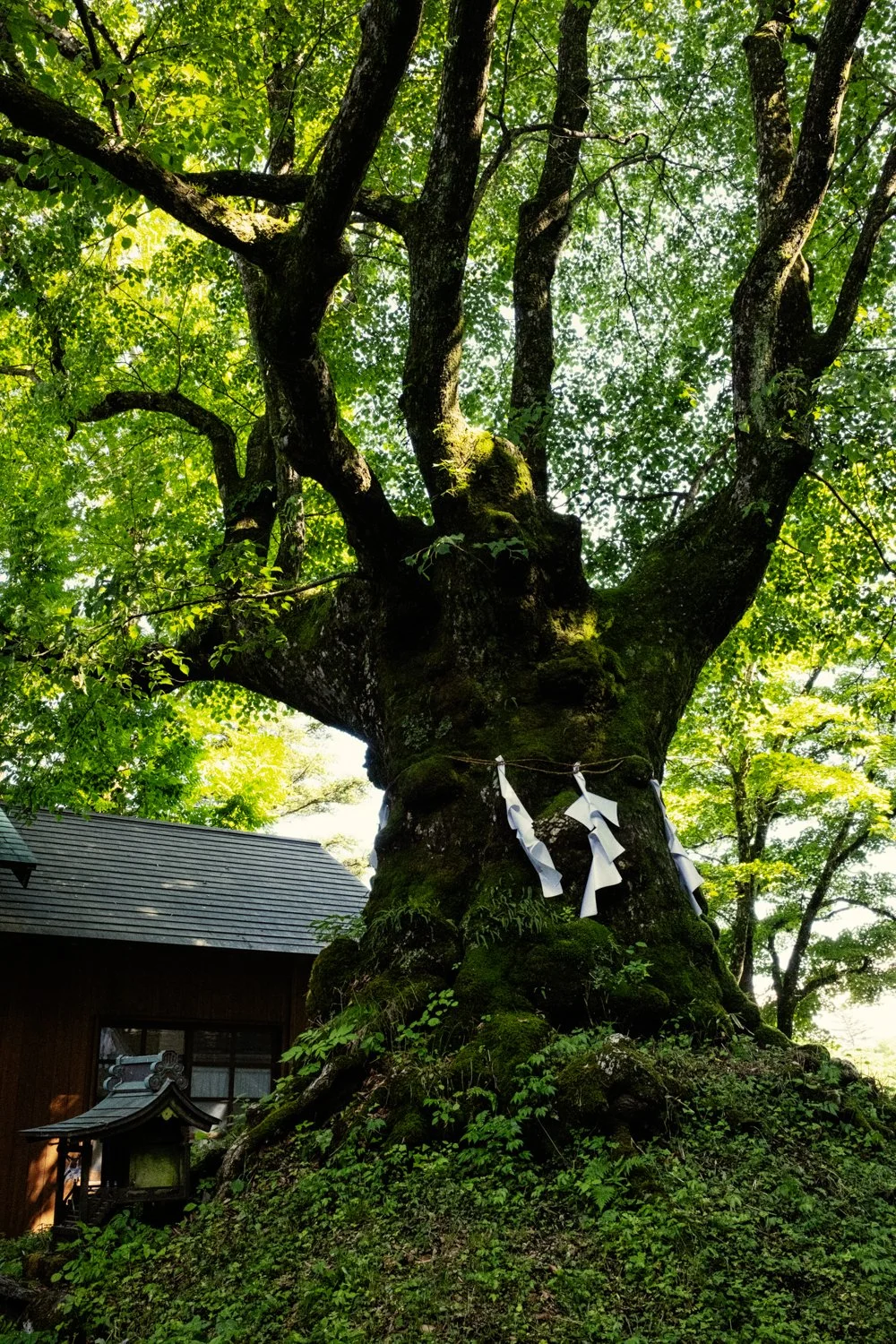
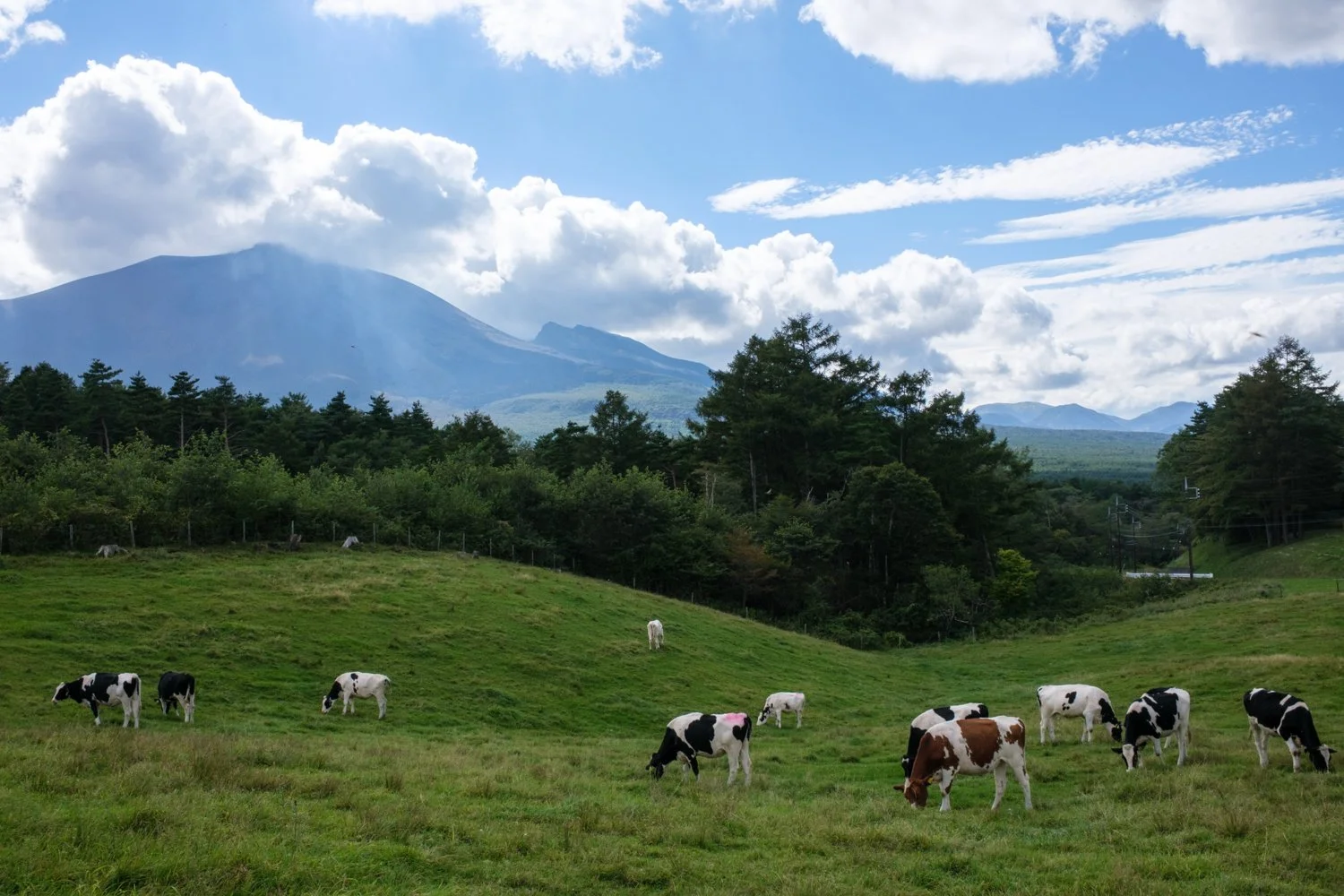
Karuizawa gives the workshop two different but connected working environments.
The first is the surrounding mountain landscape. In late May, spring will be in bloom at Karuizawa’s higher elevation, with verdant forests, brooks and waterfalls, azaleas and rhododendrons, magnolia and dogwood among the possibilities.
Across the three photography days, the wider program will also take in volcanic and lava landscapes, highland ranches and communities, dams and reservoirs, caldera lakes, and old railway tunnels and bridges.
The second environment is the Nobechi Creative Photography Center, just a two-minute walk from the hotel. You’ll have a dedicated editing and printing area with 27-inch monitors and a professional-grade inkjet printer, as well as a separate space set up for hand-coloring. Japanese washi will be a particular focus, with Kate personally selecting papers for the workshop through the Awagami Factory.
With the landscape and Photography Center close together, photographs made around Karuizawa can move quickly into printing and hand-coloring while the experience of making them is still fresh.
What the experience feels like
This is a maximum-eight-person workshop with an unhurried pace. There is time to work seriously without every part of the day being tightly scheduled.
Lunch and dinner are shared each day, giving the workshop a social rhythm, but there is also room for individual time. During the hand-coloring days, you can stay with your work or step away for a while - to make more photographs, have coffee, read or simply take a break before returning to your prints.
The result is a workshop with plenty of time together, without requiring everyone to work or move at exactly the same pace.
Accommodation and logistics
The workshop includes eight nights of 4-star accommodation, one night in Tokyo followed by seven nights in Karuizawa.
Tokyo
1 night in a 4-star art hotel
The workshop begins with a night in a distinctive 4-star art hotel in Tokyo, providing the base for the opening tea ceremony, digital-art museum visit and first dinner together before the group travels to Karuizawa the following day.
Karuizawa
7 nights in a classic 4-star hotel
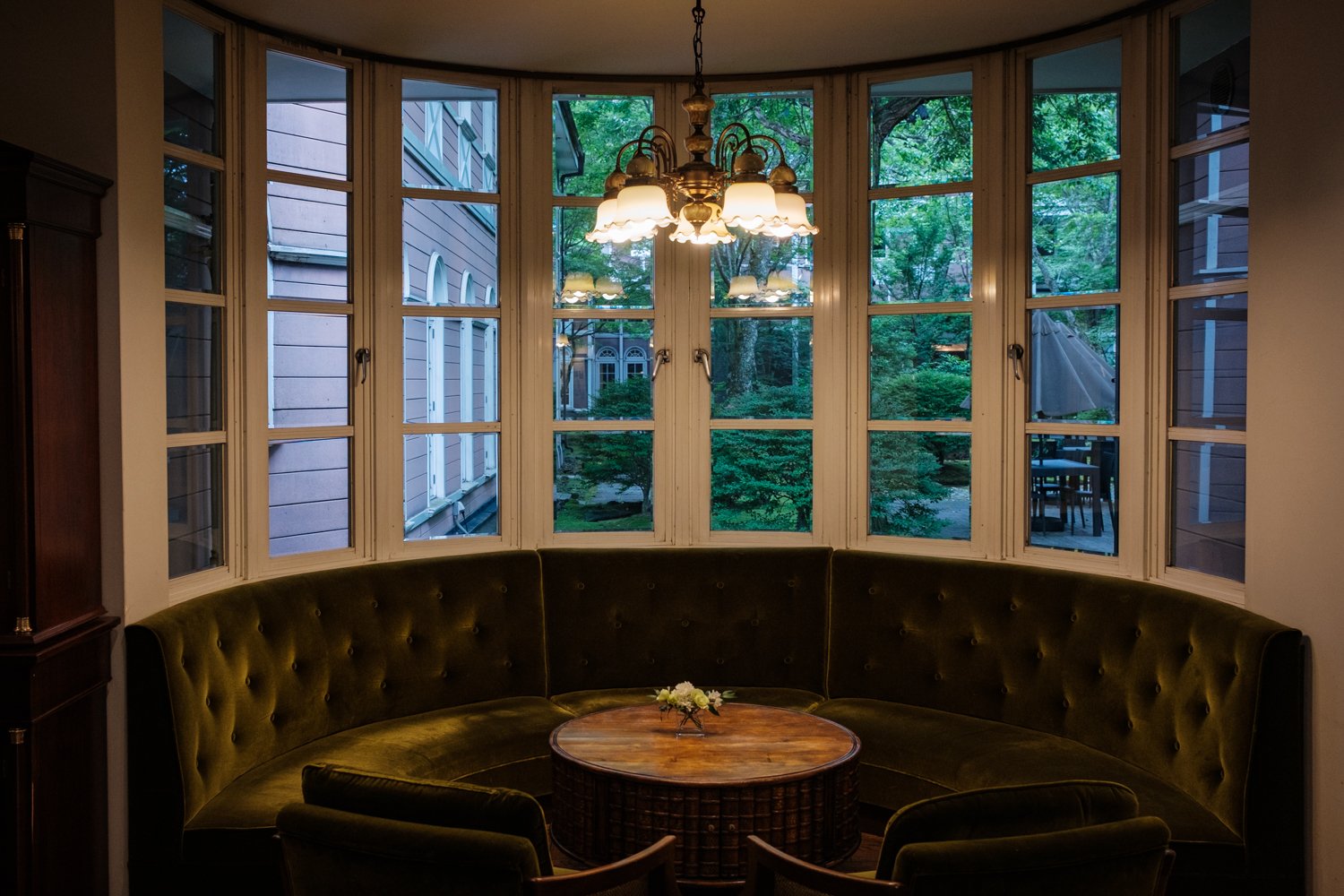
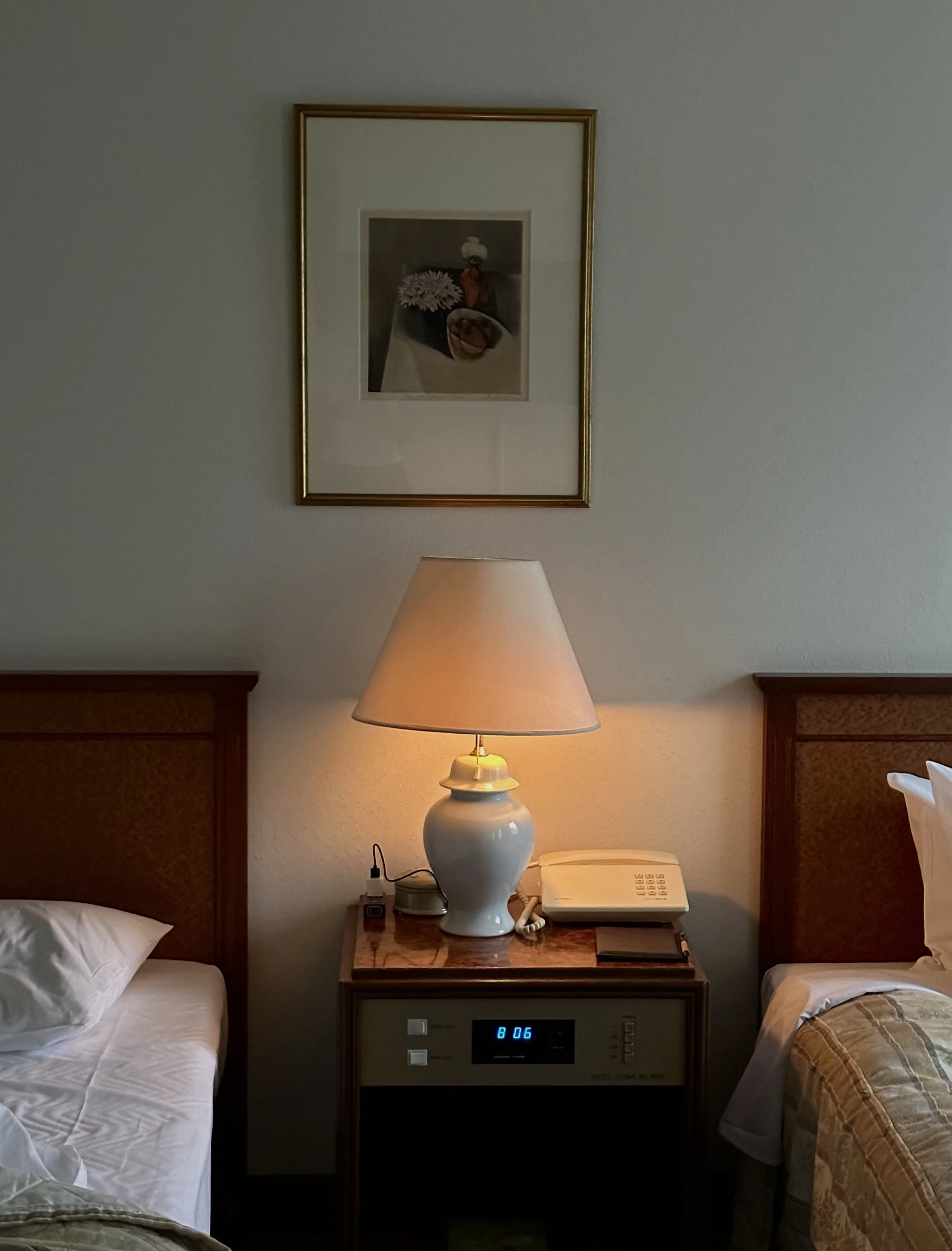
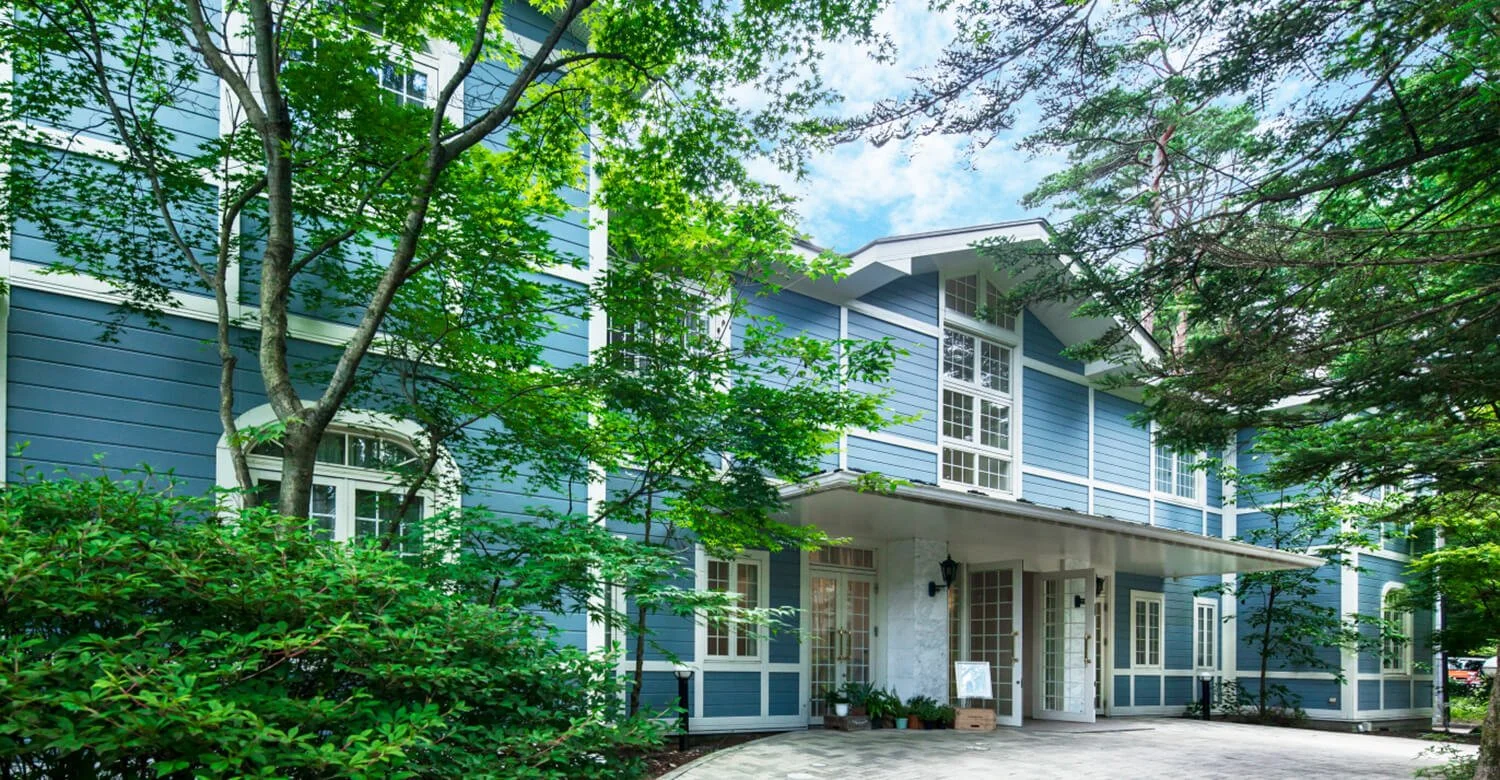
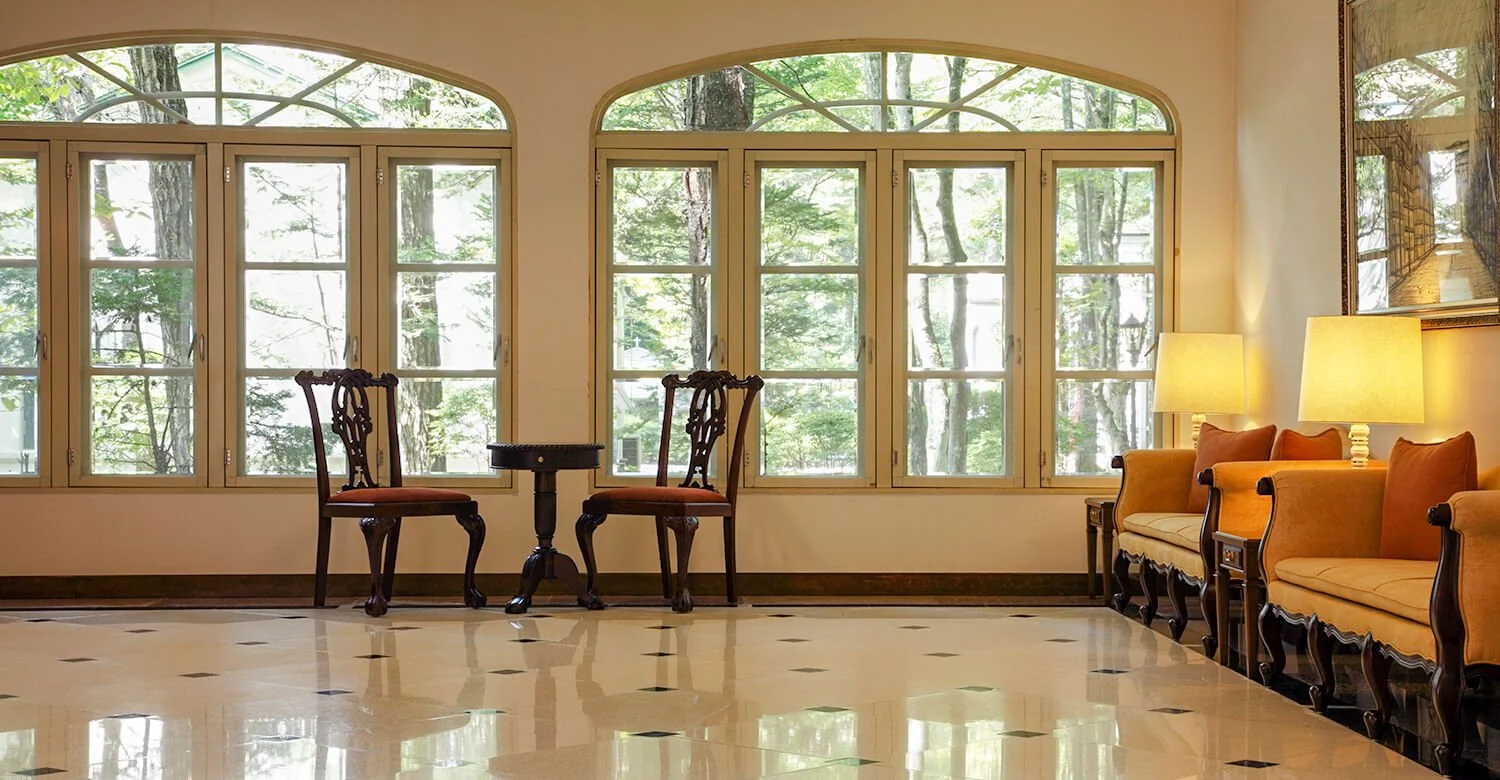
For seven nights in Karuizawa, you will stay in the same classic 4-star hotel. The hotel reflects the classic architectural character associated with Karuizawa and provides Western-style beds in all rooms. The Photography Center is around two minutes away on foot, while the cafés, bakeries, shops and streets of Old Karuizawa are also nearby.
Key information
-
Day 1: Tokyo
Meet in Tokyo and begin with a tea ceremony workshop, learning about the art of Japanese tea and photographing ceramic tea cups and other tea implements as possible still-life material for printing and hand-coloring later in the workshop. The group will also visit a digital-art museum before sitting down to a Japanese dinner together and spending the night in a 4-star art hotel.
Days 2–4: Photographing Karuizawa
Travel by bullet train to Karuizawa and begin three days devoted principally to photography, exploration, and the surrounding landscape. George will drive the group by private van to locations selected according to conditions and opportunities. Possibilities range from forests, waterfalls and spring flowers to volcanic landscapes, lakes, highland environments and old railway structures. Museums and other cultural stops can also form part of these days, alongside restaurants selected by George and the opportunity to see Kate’s work in connection with Karuizawa Foto Fest.
Day 5: From image to print
The workshop shifts to the Nobechi Creative Photography Center.
You will review and select the work made over the previous days, prepare images for printing and begin exploring different papers, including Japanese washi selected by Kate. A professional-grade inkjet printer and dedicated hand-coloring room provide the working base as Kate begins demonstrating her techniques and giving feedback.
Days 6–8: Printing and hand-coloring with Kate
The Photography Center remains the creative base.
You have sustained time to continue printing and hand-coloring with Kate, experimenting with the materials and techniques she introduces and receiving feedback as their work develops. Old Karuizawa remains immediately outside, allowing you to step away to photograph new material, explore or take independent time before returning to the Center.
The final production day concludes with a celebration of the work produced and a farewell dinner together.
Day 9: Bringing the work home
Packing tubes are provided so participants can take their work home before the group heads back towards Tokyo and onward journeys.
-
Morning: Breakfast, followed by the short walk to the Photography Center
Morning session: Image selection, printing, Kate’s demonstrations and hand-coloring
Lunch: Together as a group
Afternoon: Continue working with Kate’s feedback, or step away to make more photographs, have coffee or take some independent time
Evening: Dinner together -
The workshop is open to photographers of all levels.
It is not primarily a technical photography class. Support with photography is available where needed, but the central learning lies in what happens after the photograph is made: selecting, printing, and working physically with the image. It should particularly appeal to photographers interested in experimenting beyond the conventional photographic print, and to those curious about bringing photography, painting, drawing, paper, and physical surface together within their practice.
-
The workshop is rated Low activity.
There will be some walking around Karuizawa and at photographic locations, including gentle slopes around lava fields, waterfalls and forest shrines. The core programme does not require major hiking, although more substantial hikes are available for those who want them.
Karuizawa sits at approximately 3,400 feet above sea level, so those of you coming from sea level may notice some adjustment to the elevation.
-
Included
8 nights of 4-star accommodation: 1 night in Tokyo and 7 nights in Karuizawa, with Western-style beds in all rooms
Roundtrip bullet train Tokyo <-> Karuizawa in first class
8 breakfasts, 8 lunches, 8 dinners
Basic drinks at meals: soft drinks, beer, house wine, house sake, etc.
Admissions: Tea ceremony workshop, digital art museum, various museums in Karuizawa
Private van driven and guided by George to curated locations to photograph
Full use of the Nobechi Creative Photography Center, including dedicated editing, printing and hand-coloring spaces
10 sheets each of premium Awagami Factory Paper (additional paper purchases possible)
Detailed info pack and packing list for Japan and the region
Not included
International airfare
Airport transfers
Additional hotel nights front end and back
Extra or premium alcohol (wines, whiskeys, sakes, etc. of a premium nature)
Admissions / transportation / activities on free days
Travel insurance
Personal expenses for snacks and beverages
Personal use of taxis
-
Round-trip bullet train travel in first class between Tokyo and Karuizawa is included.
During the photography days, the group travels by private van driven by George to selected locations around the region.
International airfare to Japan and airport transfers are not covered in the fee.
-
Earlybird price (sign up by Sep 30, 2026): $6,945 per person, double occupancy. (bank wire)
Regular price (from Oct 1, 2026 onwards): $7,395 per person, double occupancy. (bank wire)*Note: For credit card payments, there is an additional credit card handling fee of $275 charged by the payments processing company. Deposits may be paid by credit card without penalty.
Materials Fee (included): $200 covers papers (up to 10 sheets), inks, printing costs, paints and pastels, shipping tubes to take home your work. After the 10 sheets, you may purchase additional sheets at cost.
Single occupancy supplement: $1,100
Payment schedule:
$2,000 deposit upon registration
Half of balance due December 20, 2026
Remaining balance due February 20, 2027
This trip has a minimum enrollment of 6 people. Please do not book non-refundable international travel until we have given the “go.” indication.
Cancellation policy:
If a participant cancels 120 days or more prior to departure, a refund less an administrative fee of 50% of the deposit will be made. Alternatively, the deposit can be transferred to another trip within 15 months of this journey.
For cancellations made 119 to 90 days prior to departure, 100% of the deposit amount will be retained.
For cancellations made 89 to 50 days prior to departure, 50% of the total Expedition cost will be retained.
For cancellations made 49 days or fewer prior to departure, 100% of the total Expedition cost will be retained.

About kate breakey
Kate Breakey’s early training as a painter and printmaker leads her to regard photographs as starting points, surfaces to embellish. She paints and draws on them, gilds them, and sometimes embroiders her images, all of which reflect her fascination with the natural world and her search for ways to memorialize and honor it.
She is internationally known for her large-scale, richly hand-colored photographs, including her acclaimed series of luminous portraits of birds, flowers, and animals, titled Small Deaths, published in 2001 by University of Texas Press. Other monographs include Painted Light (2010), a career retrospective spanning a quarter-century of prolific image-making, and Slow Light (2011), published by Etherton Gallery. Her collection of photograms, entitled 'Las Sombras / The Shadows', was published by University of Texas Press in 2012. This series is a continuation of her lifelong investigation of the natural world, which, in her own words, is ‘brimming with fantastic, mysterious, beautiful things’.
Born in Australia in 1957, Breakey received a BFA from the South Australian School of Art and an MFA from the University of Texas at Austin. Since 1980, her work has appeared in over 130 individual exhibitions, and it is held in numerous museums and private collections.
She has lived in the Sonoran Desert outside Tucson, Arizona, for 26 years and regularly teaches workshops nationally and internationally.
about the nobechi creative team
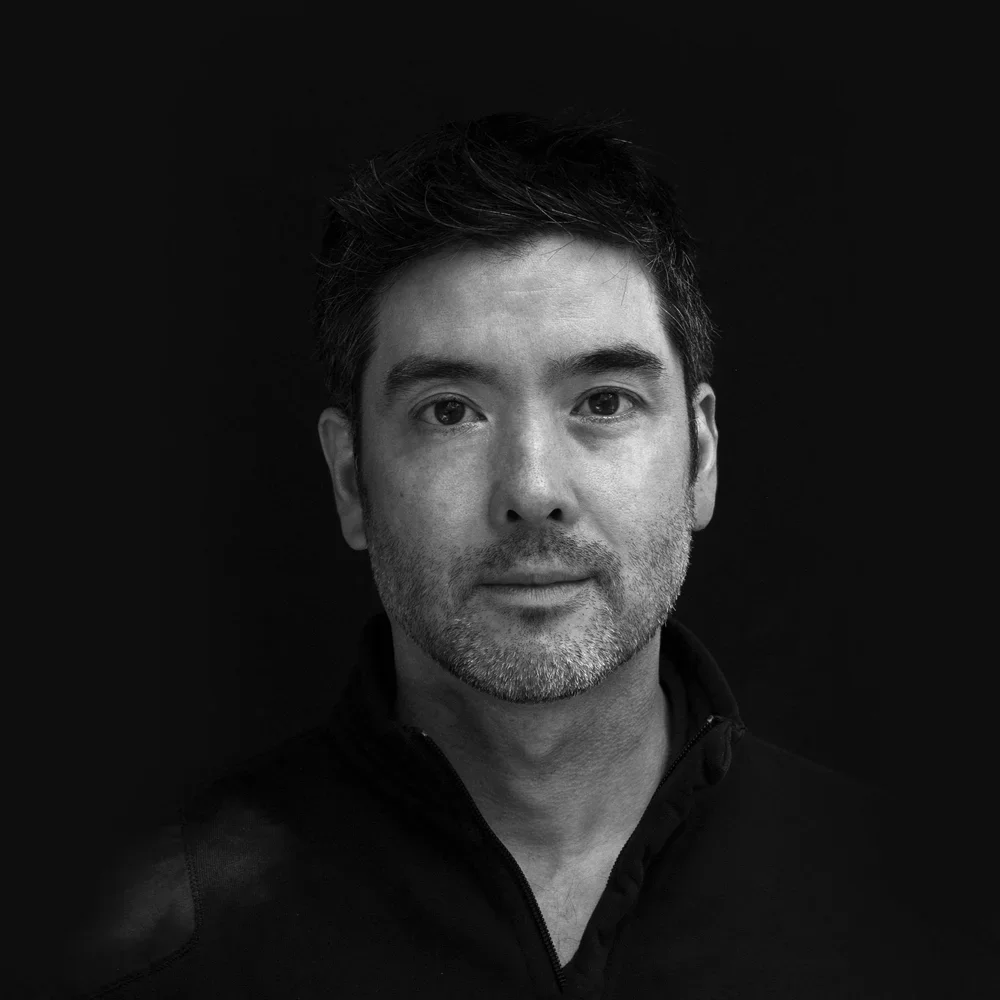
George Nobechi
George Nobechi is a Japanese/Canadian photographer born in Tokyo, Japan, who graduated from the University of British Columbia with an Honours B.A. in History with International Relations. He is the Creative Director for Nobechi Creative since 2017 and for the Karuizawa Foto Fest (kff).
He is best known for his quiet depictions of landscapes and the people who live in them, as seen from his perspective of being simultaneously an insider and outsider in Japan and in the West. His work has been exhibited in solo shows in Italy, Germany, New York, Johnson City, Lincoln, Hastings, Detroit, Buenos Aires and Tokyo. His work is represented by Patricia Conde Galeria (Mexico City) and Momentum Fine Art (Miami) and is in the collections of the Center for Creative Photography and the Canadian Embassy to Japan. He is a regular contributor to the Tokyo Shimbun newspaper. Prior to photography, he had a career in finance in Tokyo and New York.
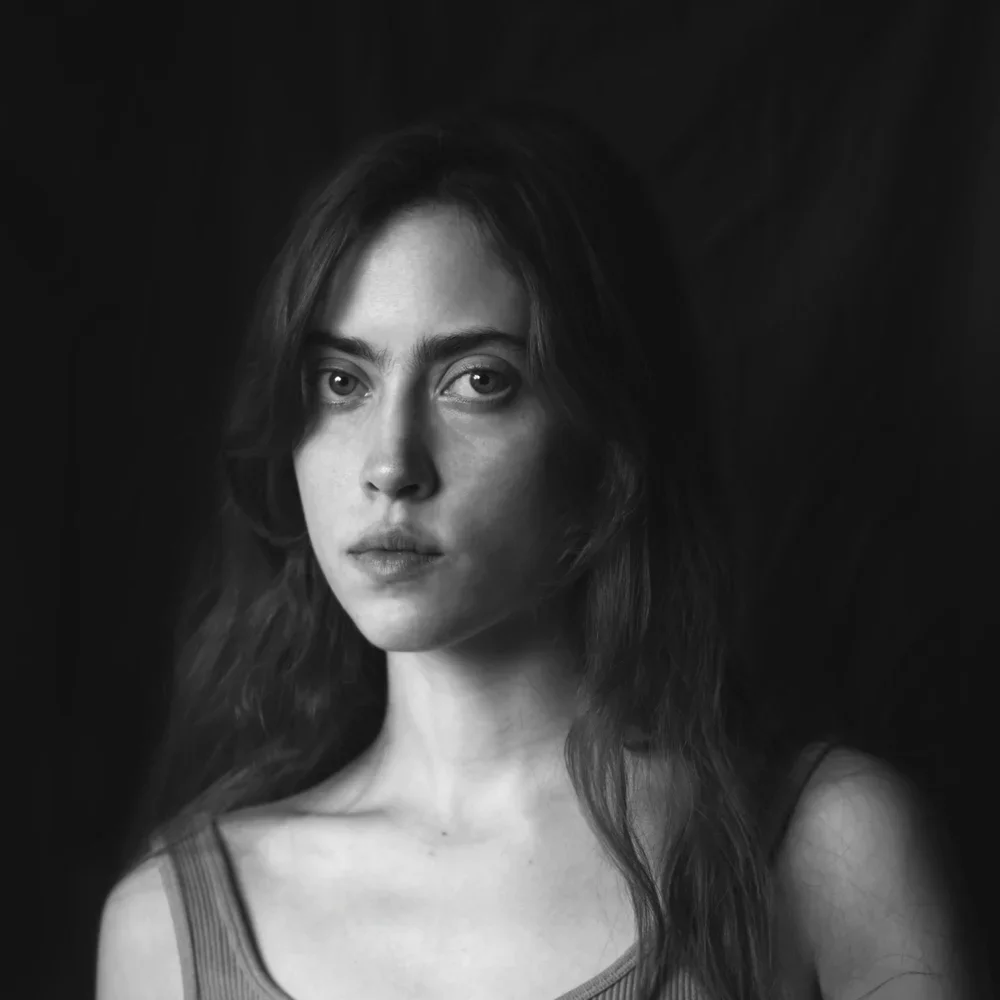
Fernanda De Icaza
Fernanda De Icaza obtained her degree in Photography from Escuela Activa de Fotografía in 2013. Born and raised in Mexico City, she grew up feeling overwhelmed by her surroundings and found in photographic praxis a way to process reality. Introspection and exploration of the human mind are the main components of her work.
In 2015 she traveled to Japan and became a student in a small Buddhist temple. Zen practice served as research to help start her project “月心 (Gesshin)”. During her time in Japan she met George Nobechi during a workshop with Magnum photographer Newsha Tavakolian.