• Home
  • Workshops
  • Faculty
  • Evenings with the Masters
  • Art Store
  • Travel Desk
  • Blog
  • Photography Center
  • Contact
  • Sign In My Account
Menu

Nobechi Creative

  • Home
  • Workshops
  • Faculty
  • Evenings with the Masters
  • Art Store
  • Travel Desk
  • Blog
  • Photography Center
  • Contact
  • Sign In My Account
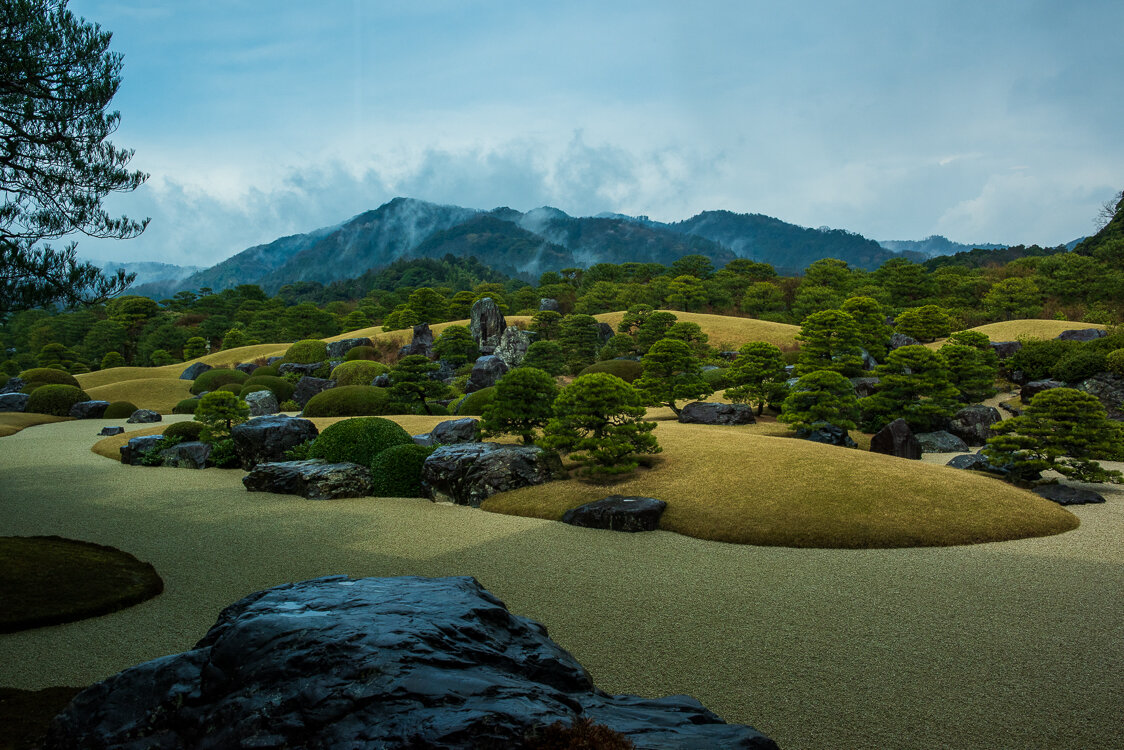
Adachi Museum Garden and Background Landscape

©2019 George Nobechi

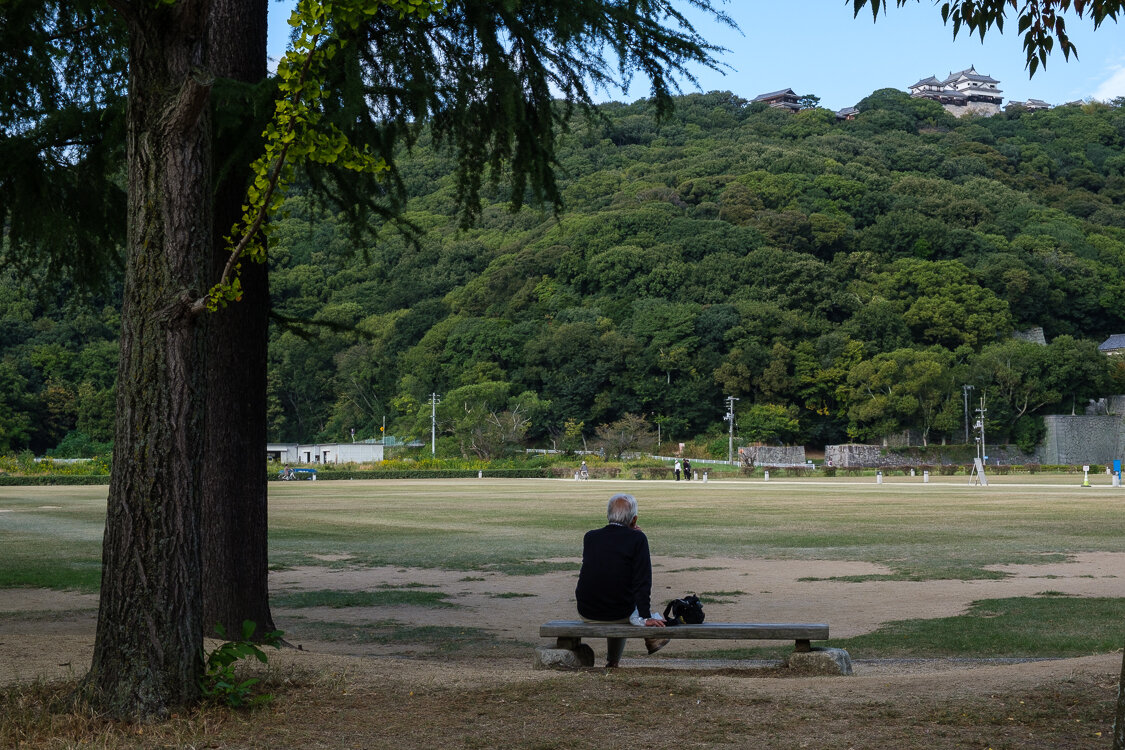
Matsuyama Castle View from a Park

©2019 George Nobechi

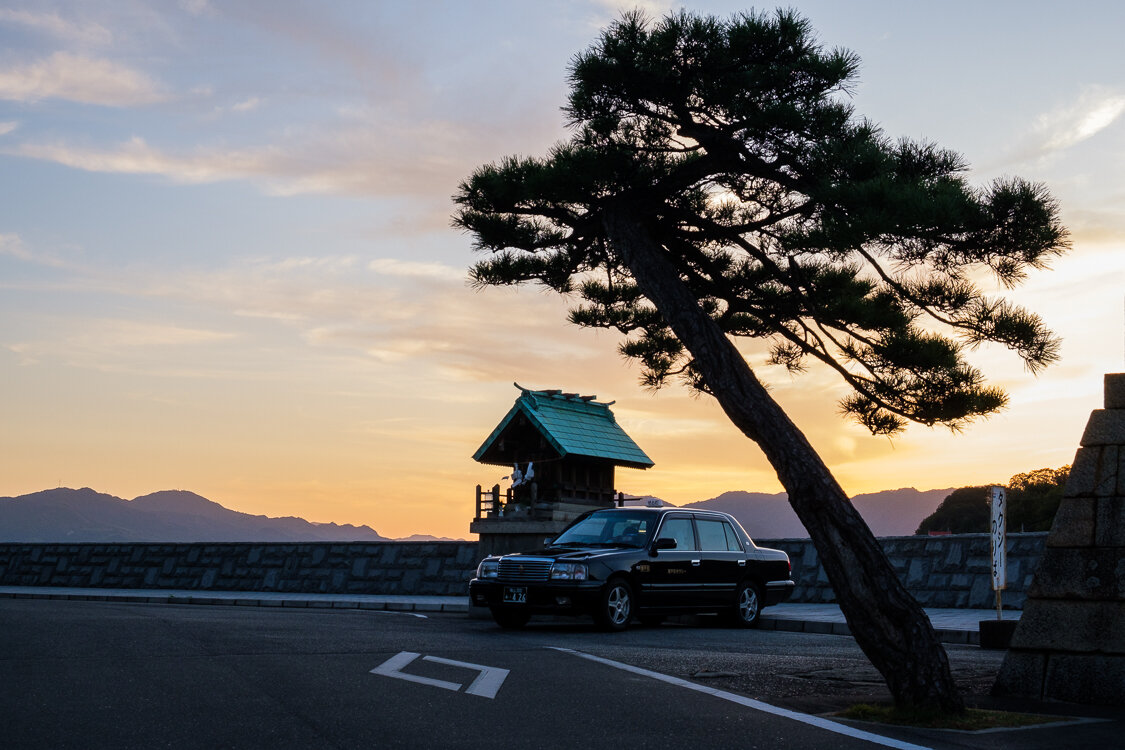
Mountains and Seawall, Taxi Stand, Setoda

©2019 George Nobechi

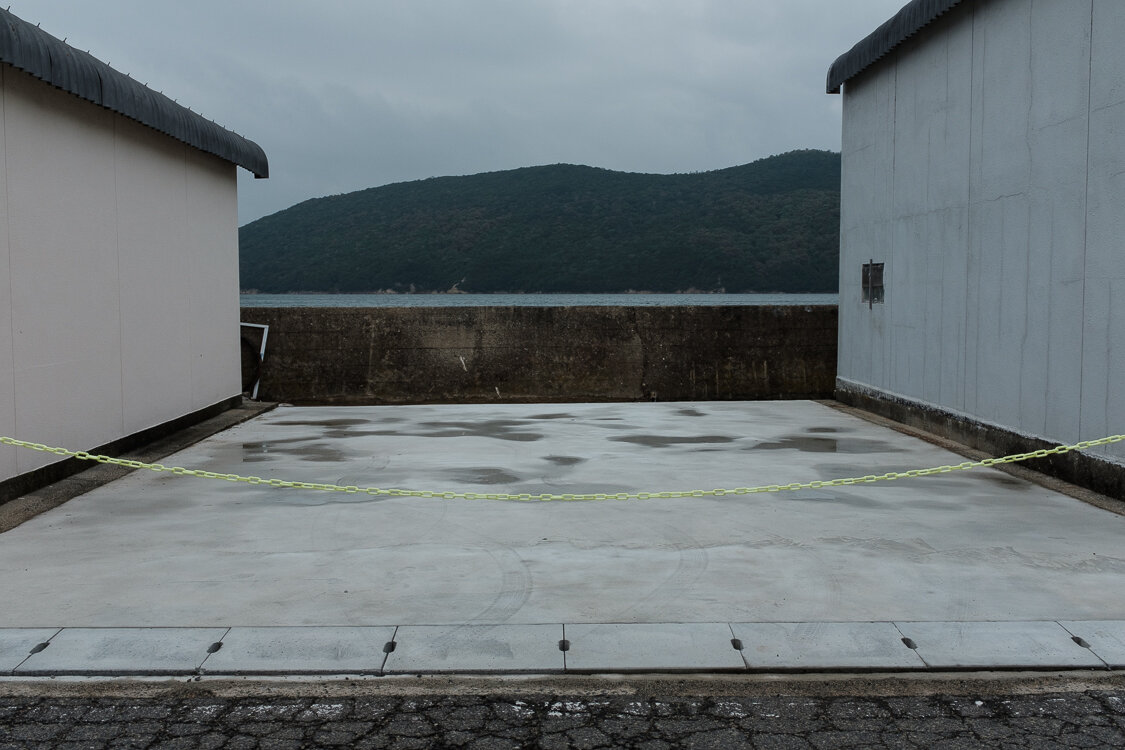
Empty Lot, Seto Inland Sea

©2019 George Nobechi

Adachi Museum Garden and Background Landscape Matsuyama Castle View from a Park Mountains and Seawall, Taxi Stand, Setoda Empty Lot, Seto Inland Sea

'Shakkei' in Photography: Borrowed Scenery as a Visual Tool (From newsletter no. 11, Oct 2020)

October 31, 2020

Continuing with my series of Japanese artistic concepts that can be applied to photography, shakkei is an originally Chinese concept often used in traditional gardens throughout Japan. The idea is to incorporate the existing background landscape into the design of the garden, providing a back layer to the scene that seamlessly blends with the garden enclosure.

While the term originally refers to garden design, as a photographer I regularly incorporate this concept into my photography, and chances are, you do this, too. I posit that photographs that use a back layer that is not directly connected with the foreground of a scene, but through the framing choices of the photographer, come to work together, are a form of shakkei.  In the above example photographs, the Adachi Museum and Garden in Shimane Prefecture is a quintessential example of shakkei in gardening. The mountain, graced by mist on this day, is not part of the garden, but it blends seamlessly with the garden design. In the park view of Matsuyama Castle, this is a most basic and obvious example of borrowed scenery within a photograph. The next two photographs are progressively more subtle, as each examines a subject from everyday life, and the scenery is quietly placed as a fragment of the overall frame.

There are many master photographers that are proficient at employing this technique, but two examples, each with very distinct styles, come to mind for me. The first is probably obvious to you, if you follow my photographic circle already, but that is Sam Abell. The famous photograph of the pears in the windowsill of the National Hotel in Moscow, with Red Square visible in the distance is a perfect example. Mr. Abell’s photographs that, in his words, “link a still life to a landscape” — are fine examples of photographic shakkei, and the pears in the window have influenced numerous photographers over the past four decades.


Parking Lot Trees, Sidewalk Trees, Apartment Building ©2019 George Nobechi


The second photographer I cite today, also a great master, is perhaps one that you may not have guessed, but it is Arthur Meyerson. For him, what immediately comes to mind for me is the photograph of Hong Kong (#16 in ‘Classics’) where a billboard/mural featuring the Marlboro Man acts as the backdrop that simultaneously looms over and yet seamlessly integrates with the plain-looking apartment buildings in the foreground. Using the properties of a long lens to maximum advantage, Mr. Meyerson compresses space in a way that only a photograph can accomplish.

Note that this is different from just using a background wall or building or mural and having someone walk in front of it. That’s not a borrowed scenery, it’s simply a backdrop or setting. Photographic shakkei should have a foreground scene and a separate background scene and the two should work together within the frame to appear to be integrated to the viewer. I’d add the wrinkle that this integration doesn’t always have to be conducted via sleight-of-hand, but it could be jarring by design as well.
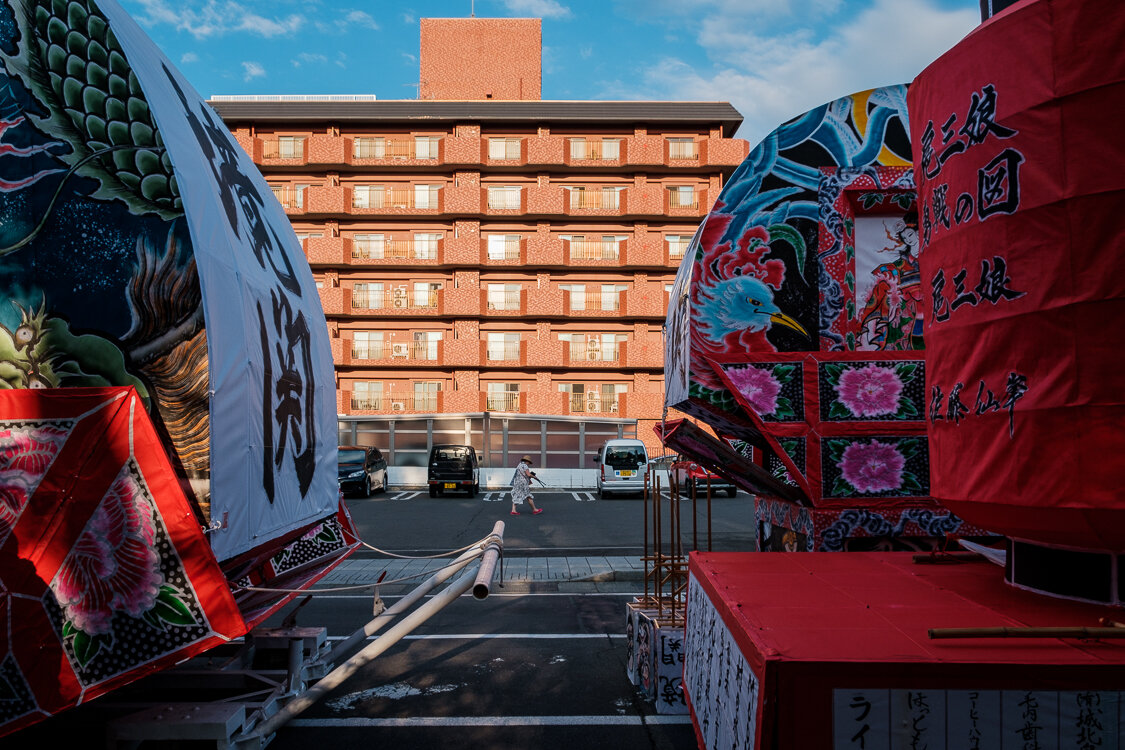
Festival Floats and Apartment Building, Hirosaki

©2019 George Nobechi

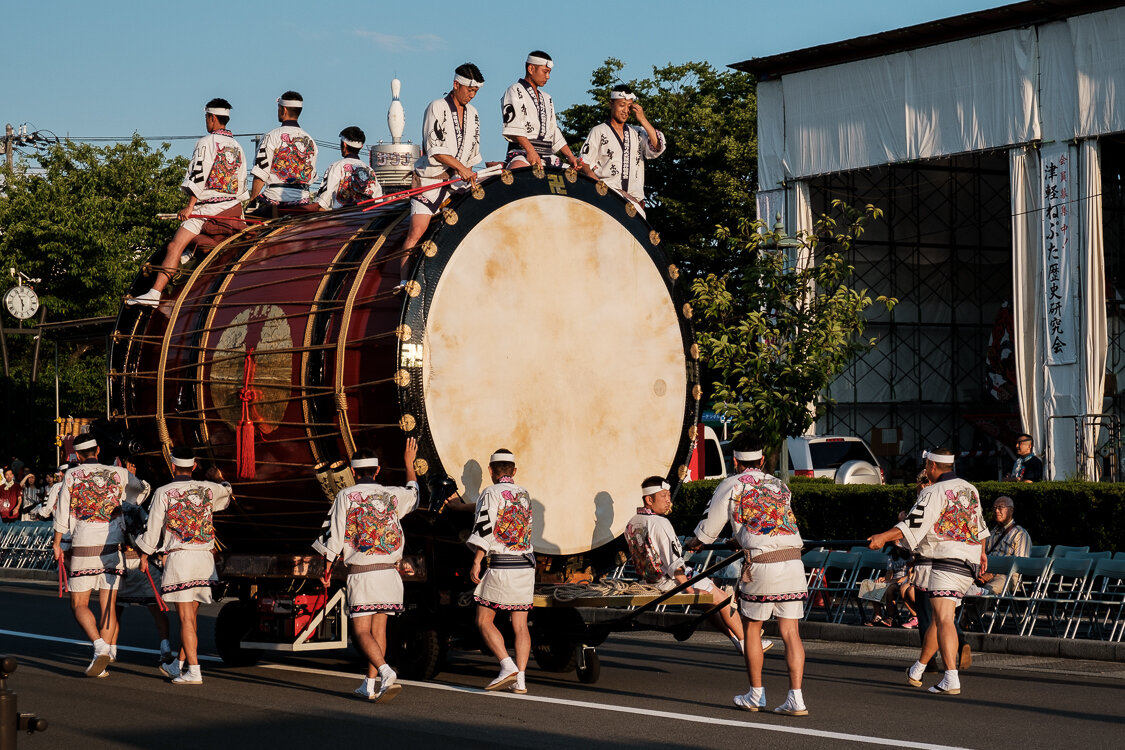
Festival Drum and Bowling Pin, Hirosaki

©2019 George Nobechi

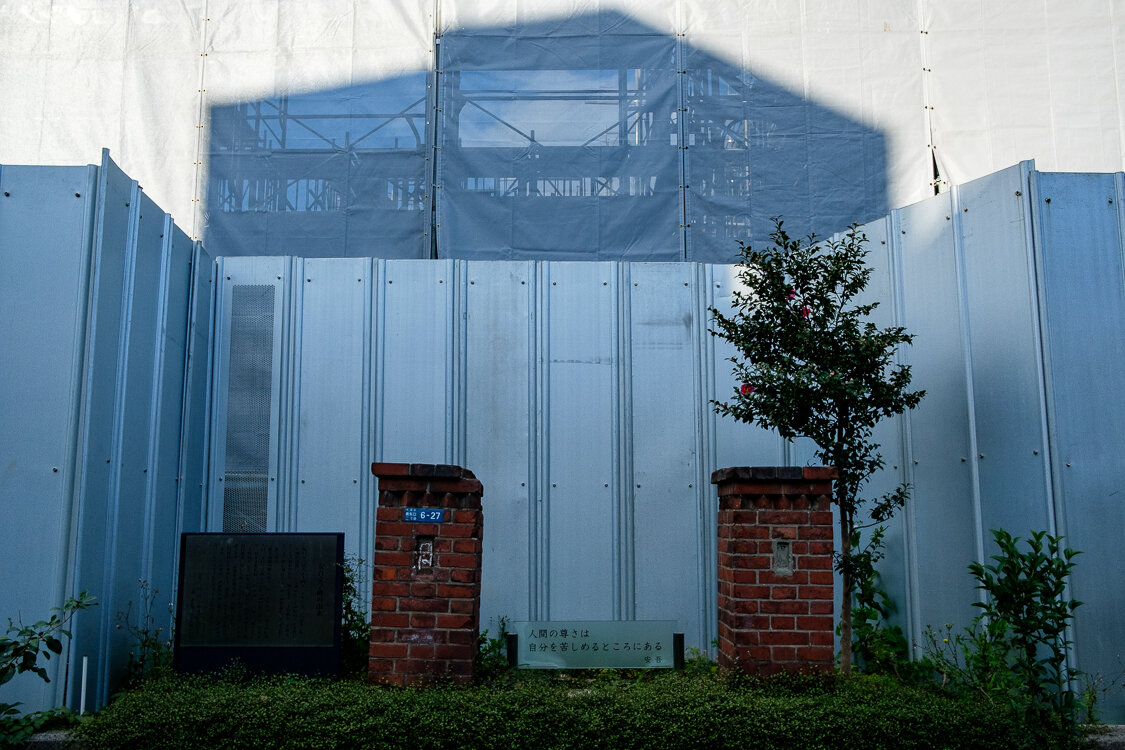
Sky Seen Through Construction Site, Tokyo

©2018 George Nobechi

Festival Floats and Apartment Building, Hirosaki Festival Drum and Bowling Pin, Hirosaki Sky Seen Through Construction Site, Tokyo

In these next three examples, I use shakkei in a different way. In the first example, I incorporate parts of the colour palette and the graphic visuals of festival floats - recognizing the beauty of traditional Japanese aesthetics, and then setting them against the ugly, common example of post-war Japanese building design. I then wait for the right character to arrive at the precise spot where I wished her to be. In the second example, the borrowed scenery is very subtle. One of the men on the drum is not like the others. And the third is my personal favourite example of this technique taken to the outer reaches of its possibilities, or so I think. We are looking at a construction site. In the foreground, the old gate has been left preserved, but outside of the construction site. Above the wall is scaffolding, covered by a tent. It’s the late afternoon and the sun is shining from behind me. The shadow of the building is the shadow of the building behind me, not the building being built over the wall. The shadow coincidentally aligned with an open patch in the scaffolding behind the tent, and created a window to the sky. I waited for a cloud to come by so that the viewer could understand a little better what we were looking at. With this borrowed scenery, I have borrowed multiple scenes and in a way, managed to transcend time as well: the old building represented by the gate, the shadow creating an imaginary building, and the sky beyond creating something different. Perhaps in having to explain it this far for people to understand it, it has gone too far in its details; nonetheless, when I look at it, I have an appreciation for what I noticed and executed in its making.

Regardless of how you approach it - quietly as Mr. Abell does, or dynamically as Mr. Meyerson does, incorporating shakkei techniques into some of your atmospheric photographs will add depth and intrigue to your work.

In Blog, Newsletter Tags shakkei, borrowed scenery, landscape photography, George Nobechi, layers, photography lessons, Japanese Culture, Artistic Concepts, Nobechi Creative, Japan, Gardening
← Reset 2021: Accepting Grief Back Into My LifeReset 2020: Wrapping Ourselves in The Cloak of "Nukumori" (From Newsletter No. 9, Aug 2020) →

PREVIOUS POSTS

Featured
Nagasaki Eighty Years Later - A Symbol of Hope
July 10, 2025
Nagasaki Eighty Years Later - A Symbol of Hope
July 10, 2025
Read more →
July 10, 2025
George Nobechi: “The First Ten Years. The Next Ten Years” 野辺地ジョージ:「最初の10年」と「次の10年」
March 21, 2025
George Nobechi: “The First Ten Years. The Next Ten Years” 野辺地ジョージ:「最初の10年」と「次の10年」
March 21, 2025
Read more →
March 21, 2025
Wabi-Sabi: Often Quoted, Often Misunderstood
September 2, 2021
Wabi-Sabi: Often Quoted, Often Misunderstood
September 2, 2021

Ever since Leonard Koren introduced the Japanese concept of “wabi-sabi” to the West in his seminal book “Wabi-Sabi for Artists, Designers, Poets & Philosophers,” the idea of wabi-sabi has become commonplace in artistic circles. While its wider acceptance in the world is a good thing, it has also become overused and often misunderstood.

Read more →
September 2, 2021
Reset 2021: Accepting Grief Back Into My Life
February 11, 2021
Reset 2021: Accepting Grief Back Into My Life
February 11, 2021

Dear Grief,

Hello old friend, it has been a while. I guess you have been in the waiting room all along and I just didn’t see you while I’ve been busy. But I’ve looked around now and spotted you in the corner, sitting quietly in the soft, winter light coming through the lace curtains hanging from the window.

Read more →
February 11, 2021
'Shakkei' in Photography: Borrowed Scenery as a Visual Tool (From newsletter no. 11, Oct 2020)
October 31, 2020
'Shakkei' in Photography: Borrowed Scenery as a Visual Tool (From newsletter no. 11, Oct 2020)
October 31, 2020

Continuing with our series of Japanese artistic concepts that can be applied to photography, shakkei is an originally Chinese concept often used in traditional gardens throughout Japan. The idea is to incorporate the existing background landscape into the design of the garden, providing a back layer to the scene that seamlessly blends with the garden enclosure. While the term originally refers to garden design, as a photographer I regularly incorporate this concept into my photography, and chances are, you do this, too.

Read more →
October 31, 2020
Reset 2020: Wrapping Ourselves in The Cloak of "Nukumori" (From Newsletter No. 9, Aug 2020)
August 31, 2020
Reset 2020: Wrapping Ourselves in The Cloak of "Nukumori" (From Newsletter No. 9, Aug 2020)
August 31, 2020

Much of Japanese descriptive language is like this in that it is a far more expressive language, in my opinion, than is English. Translations of words thus consistently fail to grasp the true possible meanings behind the words. So then what is nukumori ? Well, first of all it is not piping hot; it is, at most lukewarm. So what are some examples? The warmth of the…

Read more →
August 31, 2020
Reset 2020: On The Importance of Community (From Newsletter No. 7, June 2020)
June 30, 2020
Reset 2020: On The Importance of Community (From Newsletter No. 7, June 2020)
June 30, 2020

Since the pandemic began, I have been consumed by a fire that was ignited inside of me. That fire burns with the strong desire to face our challenges head on as a photographic community—and overcome them….One of the things that comes to mind when I think about The Great Reset is that our goals were in the wrong places. Mine were, too. When it came to photography I was letting the world dictate my “worth” to me. I…

Read more →
June 30, 2020
Reset 2020: The Role of Creativity in the Era of Covid-19 (FROM NEWSLETTER No. 6, MAY 2020)
May 18, 2020
Reset 2020: The Role of Creativity in the Era of Covid-19 (FROM NEWSLETTER No. 6, MAY 2020)
May 18, 2020

Predictions for the important role that creativity will have in a post-Coronavirus world.

Read more →
May 18, 2020
An Interview with Jamey Stillings • CHANGING PERSPECTIVES: JAPAN
May 16, 2020
An Interview with Jamey Stillings • CHANGING PERSPECTIVES: JAPAN
May 16, 2020

Renowned aerial/environmental photographer Jamey Stillings sits down with us to talk about working in Japan with George Nobechi in 2016 on his project: “Changing Perspectives: Japan”

Read more →
May 16, 2020
The Pursuit of Connection in Photography: Interview with Allen Clark
April 22, 2020
The Pursuit of Connection in Photography: Interview with Allen Clark
April 22, 2020

Allen Clark is a renowned photographer from Nashville, Tennessee, with a diverse portfolio and an outstanding list of clients He and George Nobechi became fast friends in 2015 when they met while taking a workshop taught by fellow Nobechi Creative instructor Sam Abell, who recently appeared on Allen’s new podcast The Photo Untaken.

Allen will be joining us in Japan in the near future for a workshop that is all about slowing down and learning the importance of the Japanese concept of Kodawari - a relentless devotion to a craft, art, or otherwise meaningful pursuit in life.

Read more →
April 22, 2020

© 2026 Nobechi Creative Email us Privacy Policy Terms of Service